
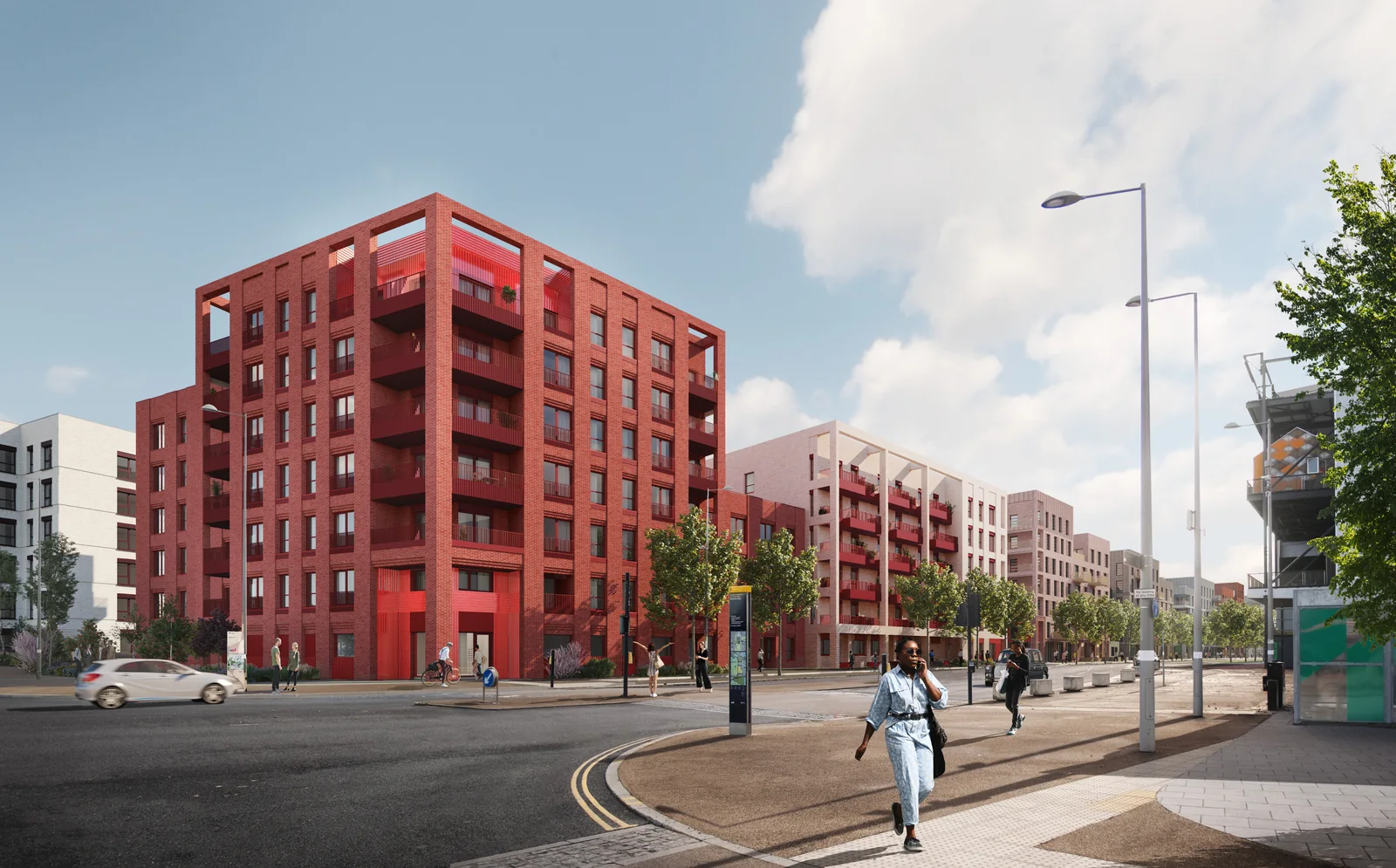

Creating neighbourhoods is a gradual process that develops over many generations. Neighbourhoods will continue to change and grow throughout the years, accommodating the people and businesses that move into the area. For any new building to contribute to creating a neighbourhood it is essential to integrate it, both physically and in terms of its community value. This is the beginning point of a successful placement.
The process is two-fold. Firstly, designing new buildings for an area has to be respectful of the community already there - you are working to regenerate an area without repeating the mistakes that might have been made in the surrounding context.
Secondly, you need to create a sense of place for those who will become residents of the new buildings – drawing out and augmenting the positives of the existing area and introducing shared elements that regenerate.
Building a neighbourhood
It’s important to note that a new neighbourhood will mean new people moving in. It’s key to encourage them to meet their neighbours and be involved in the community.
The creation of new communities hinges on the residents being emotionally invested in the place. To achieve this, they need to be made welcome and feel like they have a common investment in the neighbourhood. Any regeneration also needs to make sure that local businesses can survive, be successful and sustainable, so that they too can contribute to the success of the community.
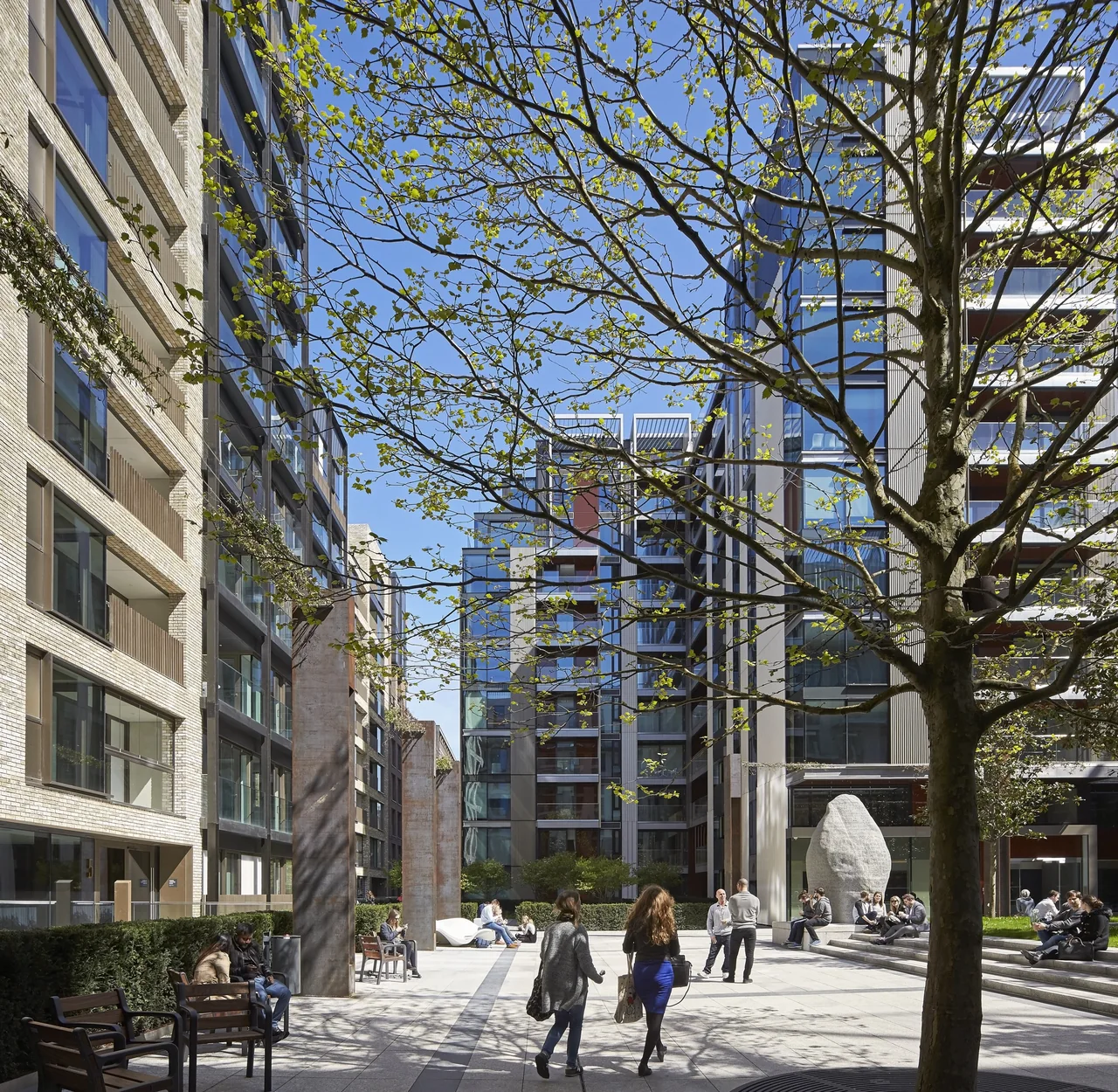
An example of respectful regeneration is in the London Olympic Park development at East Wick and Sweetwater. The neighbourhood is next to the Olympic Stadium by the Copper Box and Here East facilities that were originally built for the Olympic games. Because these buildings are so imposing, developers had to make sure that the proposed buildings had enough presence to stand well with these very large facilities. The Olympic park development is quite unique and has to be recognised as a completely new area of London. To be successful as a new area the new residential development needed to take clues from the adjacent neighbourhoods and also from London as a whole.
One important thing about London is its rich diversity, so it was essential that the different designs for homes suited the different demographics of the future residents. Individuals and families with different backgrounds, physical abilities, cultures and income brackets would be moving in.
So, from the initial stages, ‘ladders of opportunity’ were discussed. This is where somebody might initially move into the area as a renter and then be given the opportunity to buy a bigger apartment or to ‘move up’ to buy a house in the future. This way people might move in at an early age, but stay there for a significant part of their lives. This aspect of the neighbourhood design contributes to addressing variety and diversity by catering to people’s changing circumstances.
Regeneration for communities
For any city regeneration, a balance needs to be struck early on because people are living quite close together. We need to make sure that we design buildings where the annoying aspects of close living are reduced, and the huge benefits are enhanced and encouraged. The design can help by creating balance between not being disturbed or too overlooked, and not being so private and shut off that neighbours don’t have the opportunity to meet and create communities. When we live in a city or a neighbourhood, we all have a contribution to make to that society or neighbourhood and an important aspect of that is being aware of who else lives there and looking out for them.
“…one person’s beautiful building is another person’s eyesore..”
Aesthetics are very important, but they are very subjective – one person’s beautiful building is another person’s eyesore. A certain kind of beauty to a building is important as it helps people be proud of where they live and form a sense of pride in their community. This leads to people wanting to look after the area and make sure buildings are well maintained. Balconies are increasingly vital to city dwelling and can be one of the most important features of a building as it may be the only private outdoor space that people have. There are so many benefits to stepping out from your enclosed environment.
A great neighbourhood is a combination of diversity and variety, convenience, healthy lifestyle opportunities and human fundamentals of light and air. The role architecture plays in that is often overlooked. The best architects are those who listen to everyone and not impose opinions on the future residents. It’s important to draw out those opinions of a community to find out what is needed from those who often don’t get heard.
“A great neighbourhood is a combination of diversity and variety, convenience, healthy lifestyle opportunities and human fundamentals of light and air.”