
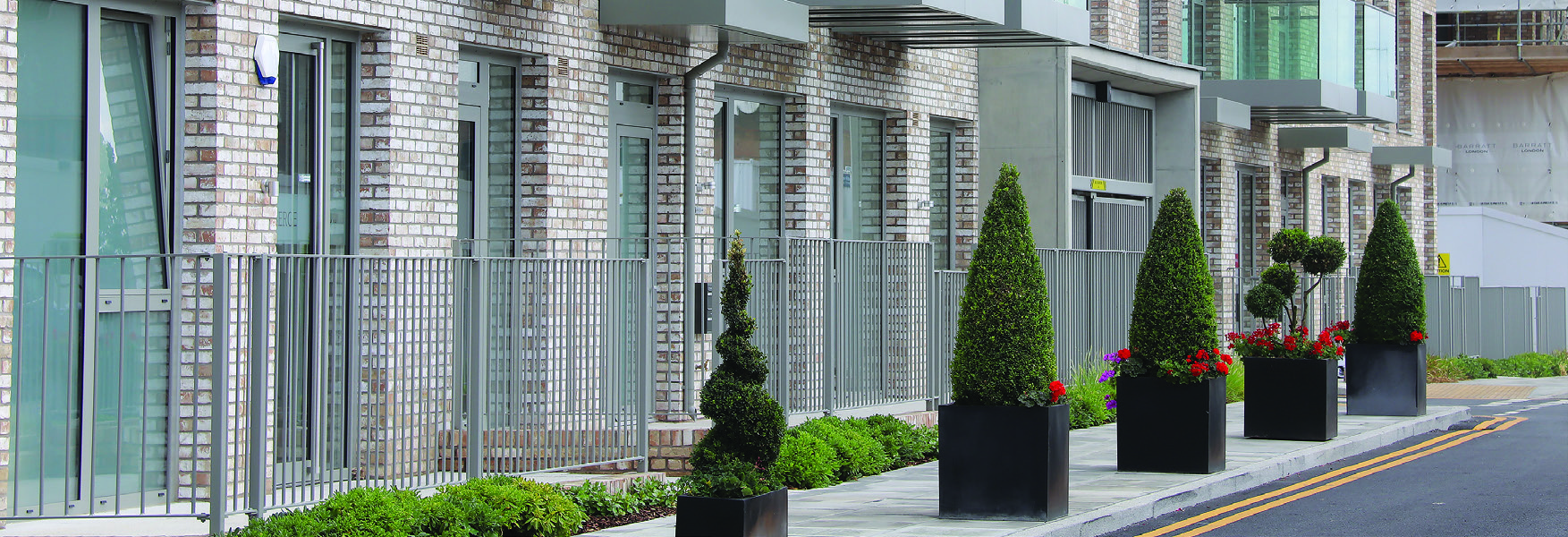

With the increased demand for housing in the last decade, how we create and maintain higher quality homes is reliant on several factors, most notably skills and experience. Over the years the industry has suffered from poor workmanship. The shortage of good quality trades and professional staff has highlighted the need to recruit and invest heavily in the workforce.
In the past, good quality trades and professions were often in scarce supply leading to rapid over-promotion into senior roles of under experienced employees, and, as a result, the experience needed to build quality housing was not always present. The introduction of the New Homes Ombudsman, in conjunction with the Government, will seek to redress this imbalance and push to raise standards. This in turn will ensure that residents’ quality of life will increase as minimum standards for housing quality will be expected. Signing up to this scheme will show consumers that housebuilders are serious about customer service and quality assurance.
The HBF star rating is based upon a comprehensive customer satisfaction survey, the results of which give the housebuilder their rating. Members are expected to reach a certain standard and three stars is the minimum status that they should be achieving in overall customer experience. HBF maintain and co-ordinate the scheme and publish a monthly survey of customers. There is also a focus on the Net Promoter Score (NPS) where customers rate the likelihood to recommend a company. This is, of course, one of the biggest purchases of someone’s life and recommendations are important.
It is our belief that having a league table is good for the industry as a whole, so that companies aspire to that status and continue to maintain standards. What is most important though is the important reference point it creates for customers as well. The star rating gives them confidence in the quality of housing to know that a rated developer is considerate and conscientious from design to occupation.
The areas that give developers and builders their rating are focused on quality and customer service. It really begins and ends with customer service and how a customer journey is managed, from the original inception to the sale of the property. Communications, how snags are dealt with and aftercare are key to giving customers a positive experience and makes a difference in their quality of life. If a customer experiences good communication from the housebuilding company right at the beginning of their journey, if things go wrong or there is a delay, they are more likely to be tolerant of issues.
Regulatory upheaval
The Building Safety Bill will overhaul the building control process of tall buildings (six storeys and higher). Its aim is to give residents a voice, appoint responsible people throughout the whole process in line with the golden thread concept, and introduce new hard stop gateways into the building control and management process.
At the moment, buildings are signed off to a management company where repairs and maintenance then, in some instances, become forgotten about and fall into disrepair. This creates a disconnect that leads to issues from leaking gutters to highly defective buildings. The new government ombudsman scheme combats this by providing a regulatory body that will step in if there are problems before they become significant and unsafe.
The future of residential buildings
The energy efficiency of buildings is at the forefront of the industry’s future. Customers will see a step-change in how buildings will be heated and powered as of 2025. The removal of gas from network grids and every new house requiring electric vehicle charging stations for one car, for example, will fundamentally change the way we design, build and occupy properties.
“Signing up to [the HBF scheme] will show consumers that housebuilders are serious about customer service and quality assurance.”
The house builder’s role in bridging the gap between architects’ vision and the quality of life that is delivered has been picked up in the revised Planning for the Future White Paper. It will now be a requirement for home builders to sign up for the Building Better, Building Beautiful scheme to comply with the white paper. This puts aesthetics, functionality, quality and customer experience front and centre of what architects should be achieving.
There is, of course, a need to be efficient to see a return on capital employed, but developers do gain benefits from good quality buildings and landscaping. People want to live in a well-built house in a welcoming area and they will pay a premium for it. They want technology that is low maintenance, easy to understand and good broadband in their homes. Delivering on this holistic view creates the quality of life and functional performance that draws residents to developments. It’s not just about complying with regulation.
The next five years will indeed fundamentally change how we design, build and occupy buildings for generations to come.
“People want to live in a well-built house in a welcoming area and evidence suggests customers will pay a premium for it.”
“Communications, how snags are dealt with and aftercare are key to giving customers a positive experience …”