
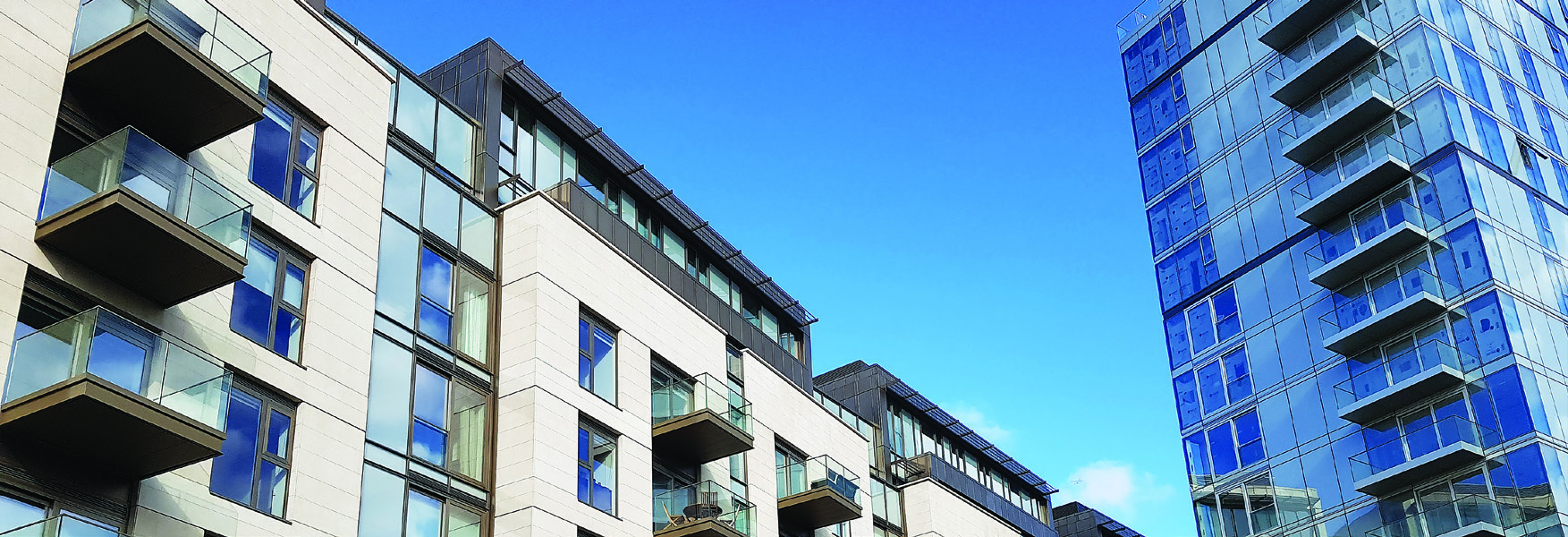
In the years since the Grenfell disaster, more people in the industry are understanding the importance of consulting façade designers at an early stage. It is key to getting the façade aspect of the building design right in the first instance and keeping residents safe upon occupation. A holistic approach is so important to achieve a safe, secure and well thought out building.
The relationship between the façade and the balcony
Usually, in Stage three of the architectural design, façade consultants look at how a balcony sits in relation to the façade in terms of structural performance, thermal performance and fixing strategy. Typically, construction programmes have time constraints, hence, the more design development and coordination are undertaken earlier, the potential risk of any issues on site is lesser during the installation phase.
The key factors for designing balconies that best suit a façade are:
Design challenges
The challenge of mitigating most of these risks can be met by looking at the interface detailing early on, with properly coordinated details. Should this not happen, issues are only detected during installation or post-construction and it’s often too late to integrate changes in an effective way.
aesthetic intent and create unique designs whilst still being in compliance with the Regulations. How the design of a balcony relates to the rest of the façade drives everything else.
“…more people in the industry are realising how important it is to consult façade designers at an early stage…”
An example of this is floor slabs, which can be cast early on but cannot be easily remedied should it be required. Designers need to consider the different types of slabs needed and any requirement for an upstand or downstand in a balcony interface. For example, a sliding door detail requires limited deflection and any thermal break connections required need to be taken into consideration, in addition to the fire performance required at this interface. These elements need to be better interfaced and designed earlier on to help meet all these parameters and to establish if an upstand/downstand is required for the same. If these parameters are not designed for, it is not possible to effectively achieve the performance on site.
Missed opportunities like this mean the loss of time and compromises which is not ideal. Remediation can be undertaken but it will be complicated due to working around the completed facade not to mention the loss of time and cost. Engineers can assist architects to improve the quality and performance of the building by looking holistically at the overall design to bring all the elements together.
The developers and architects are appreciating the importance of the Façade Engineer’s role in the overall quality, useability and performance of a building much more. Although the industry is witnessing more requests for façade engineering consultancy, the input of façade consultants needs to become mainstream with more collaboration in earlier stages. Engineers can assist architects by looking holistically at the design of the overall building and bring all the elements together within the façade.
“A holistic approach is so important to achieving a safe, secure and well thought out building.”