
Residents, government and other bodies all have vested interests in improving building safety. After the Grenfell tower fire, which led to significant changes in regulations, specifically for the external envelope, a big push began to refurbish residential buildings. Some were driven by updates to building safety standards and regulations but, for many, this goes beyond mere compliance.
The drive for more than compliance
Whatever the terms of the 18m fire safety threshold, there is a difference between compliance and actual safety. If you are a resident in a building that is 17.5 metres tall, for instance, the safety risk is comparable to that of a resident at 18 metres. Because of that, more people are looking at buildings on their own merit and the safety of façades at any height.
The most recent changes in legislation have been to ensure non-combustible materials are used, of course. Residents, however, have also had an impact on moving refurbishments along by lobbying to improve safety.
There has also been pressure from insurance companies and mortgage providers concerned about potential huge losses if there were substantial claims from residents. Because of this, some companies are refusing to provide insurance and mortgages because of the unsafe materials of a building.
Managing the disruption of high-rise refurbishments
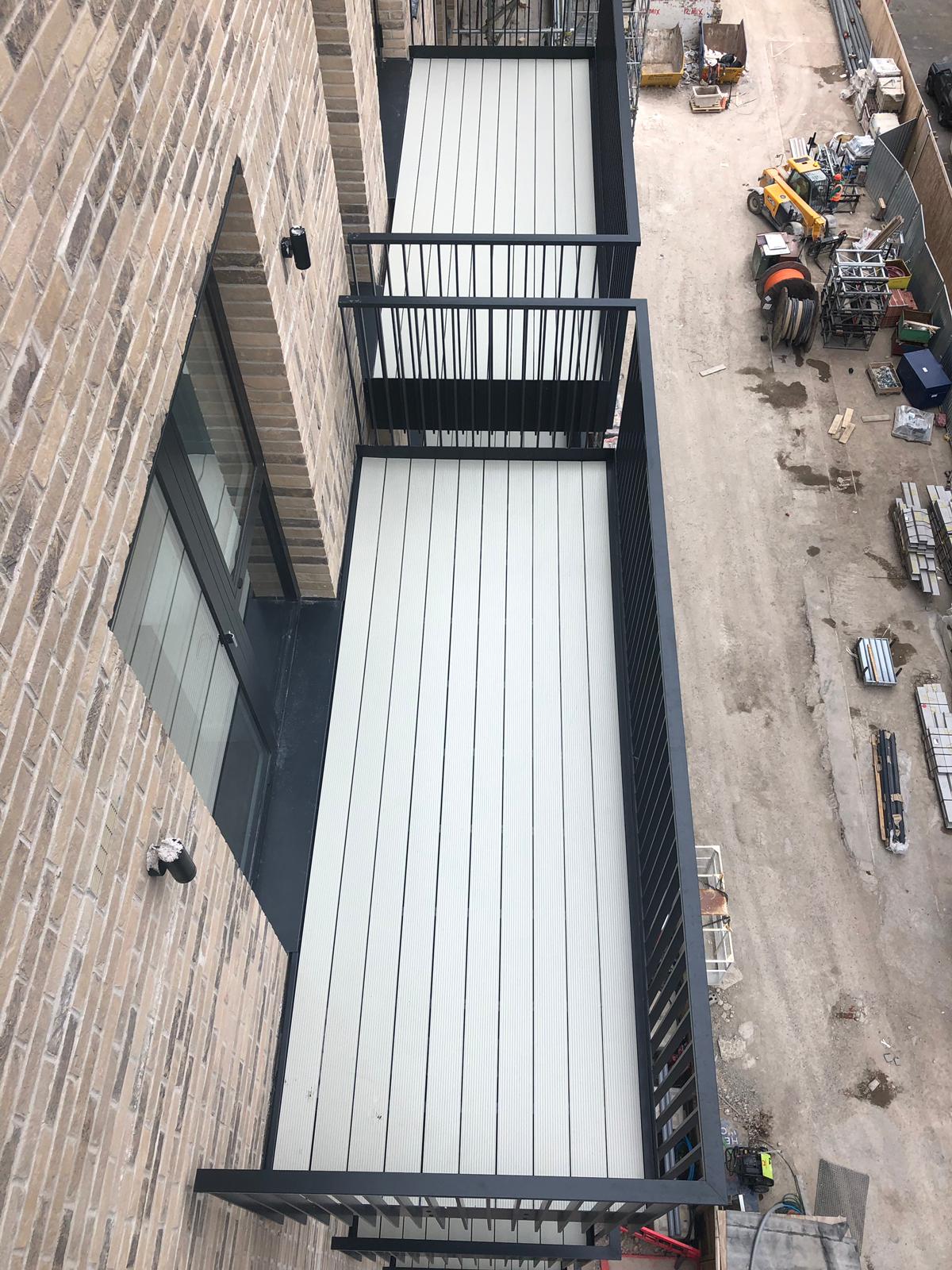
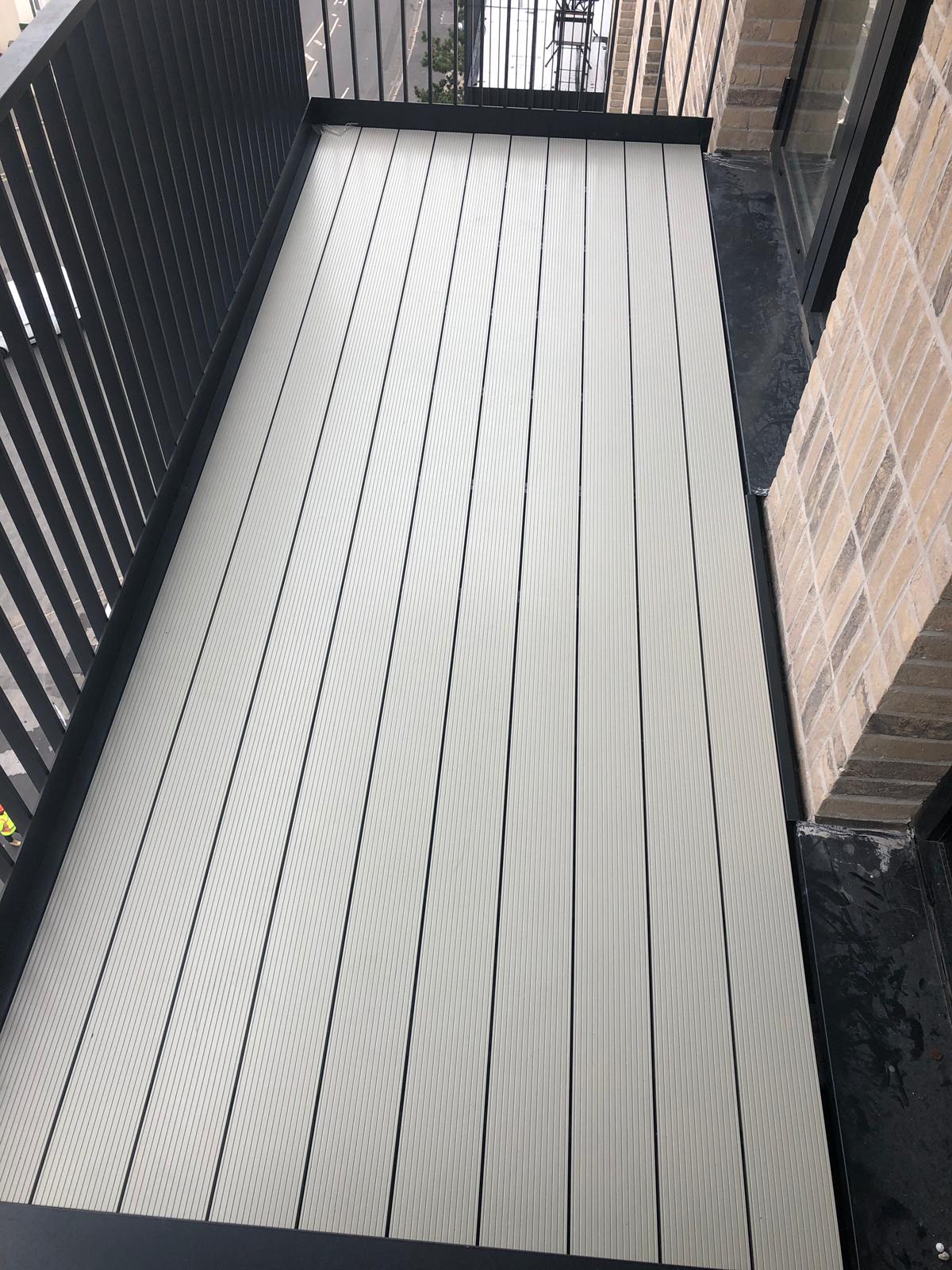
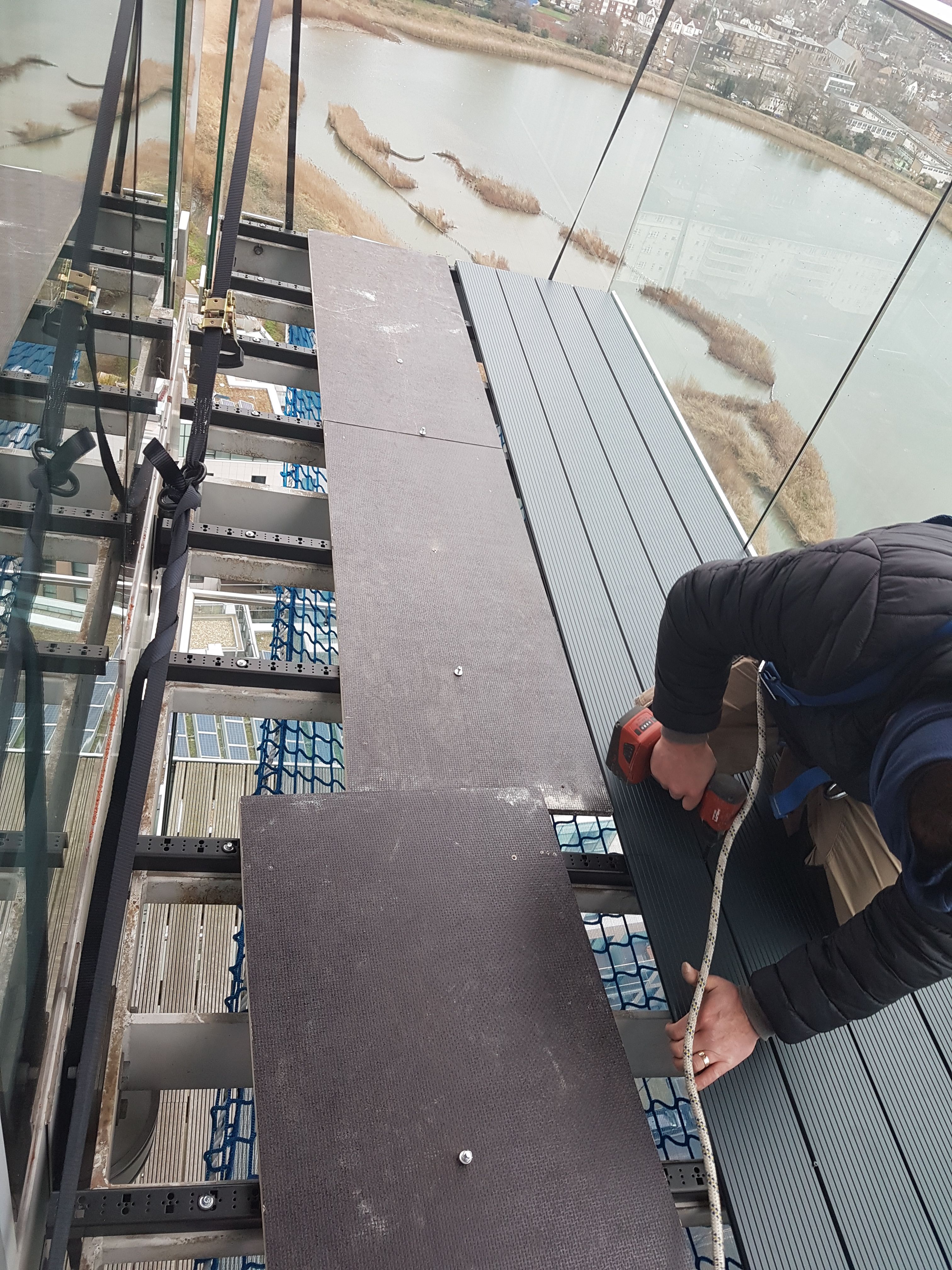
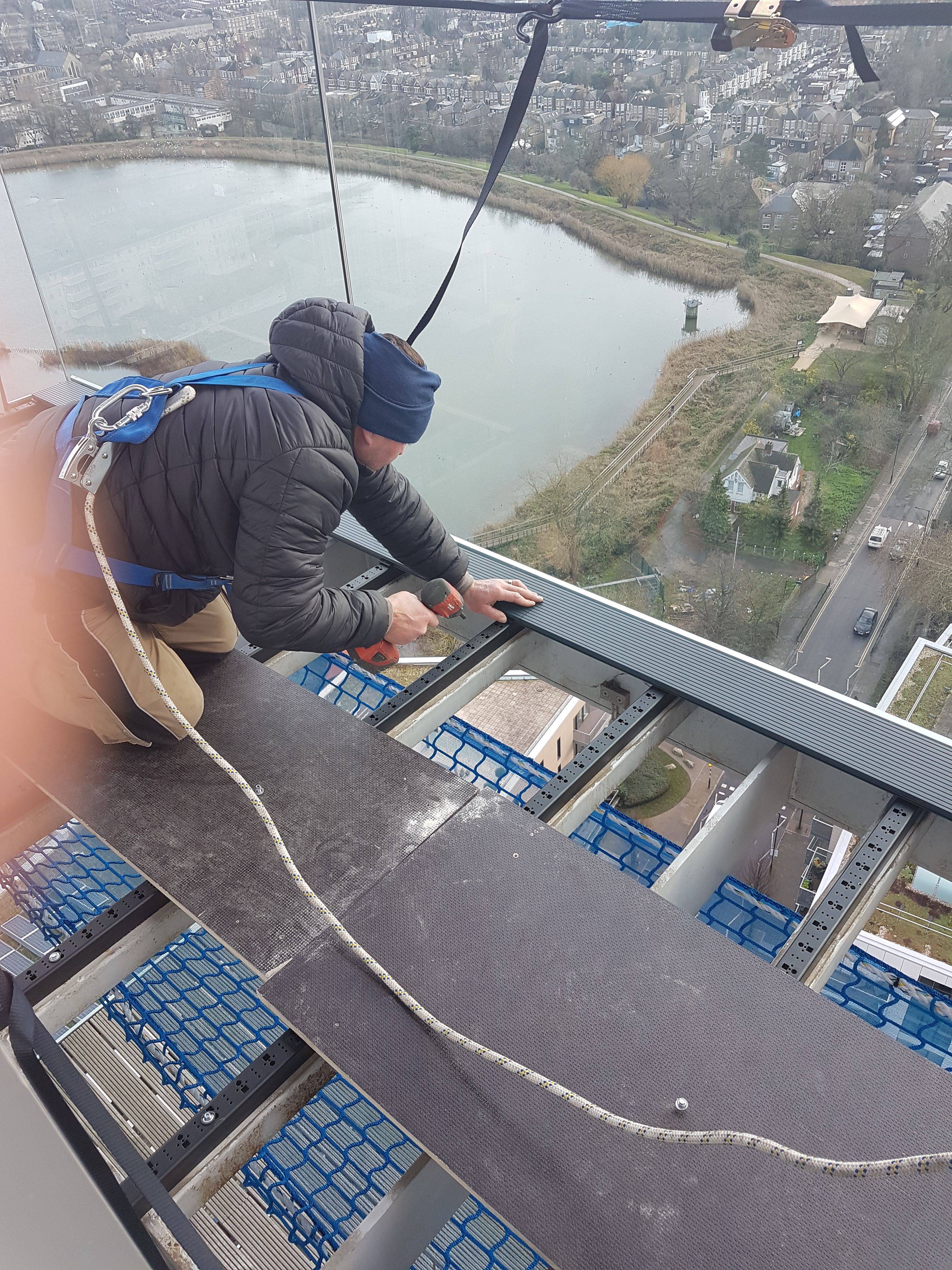
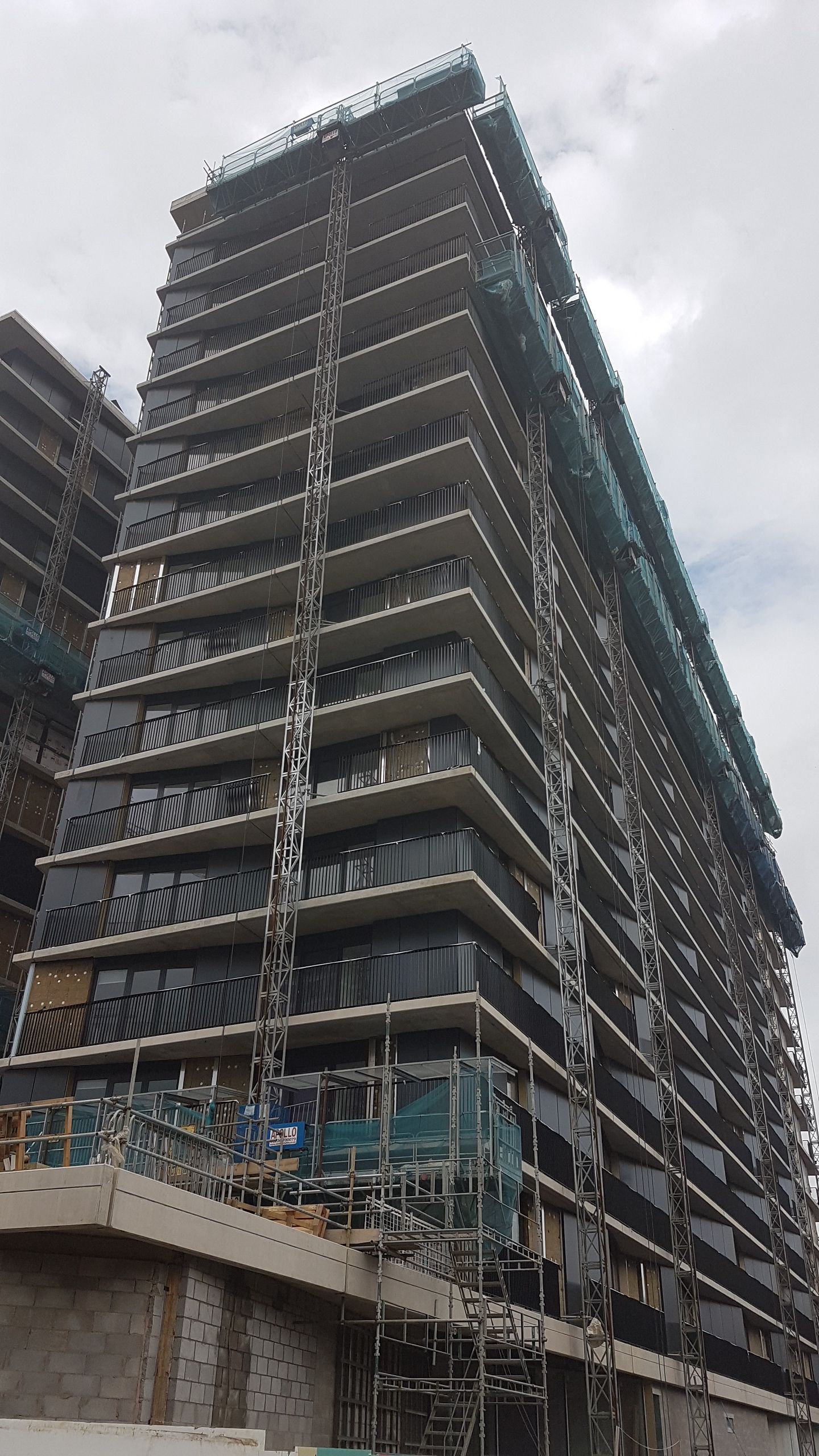
The level of disruption involved in a refurbishment is often underestimated. For example, a high-rise residential building with two hundred balconies, at a refurbish rate of one balcony per day accrues a lot of inconvenience to residents for a prolonged period of time.
However, minimal disruption is possible with a comprehensive plan in place.
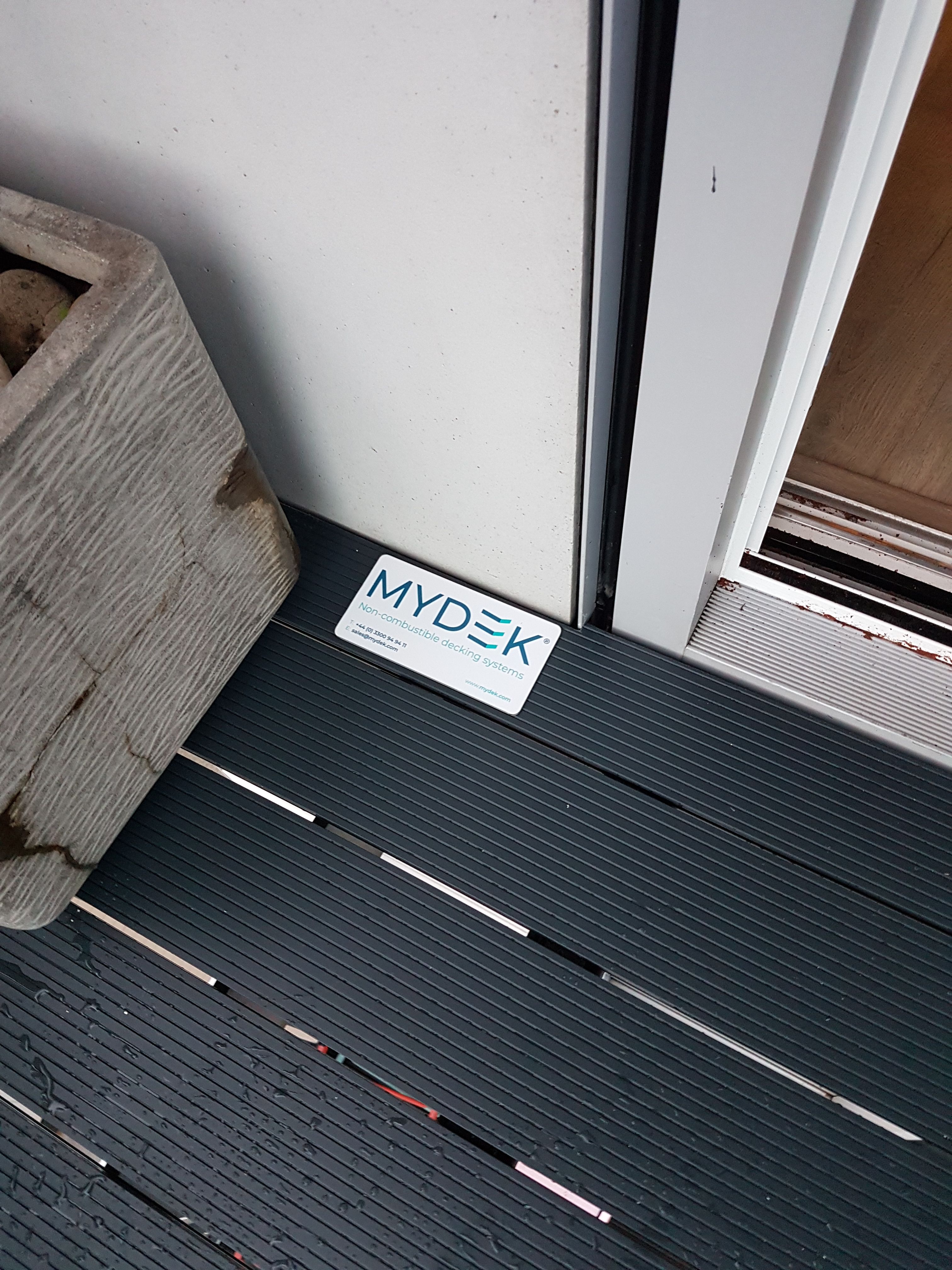
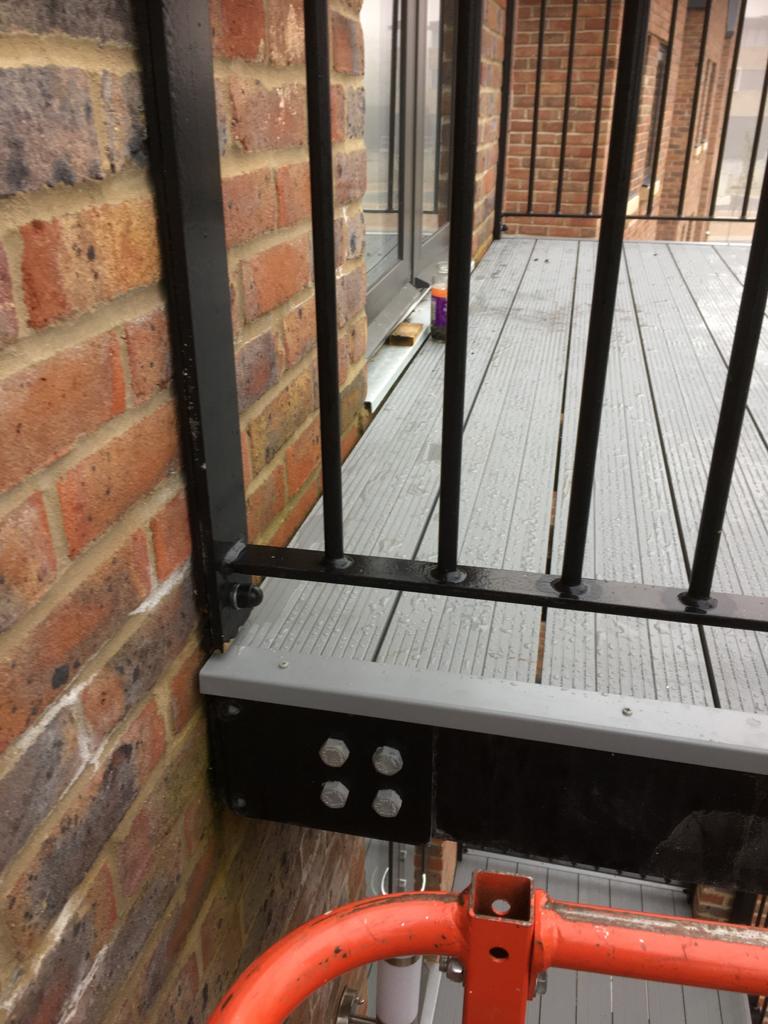
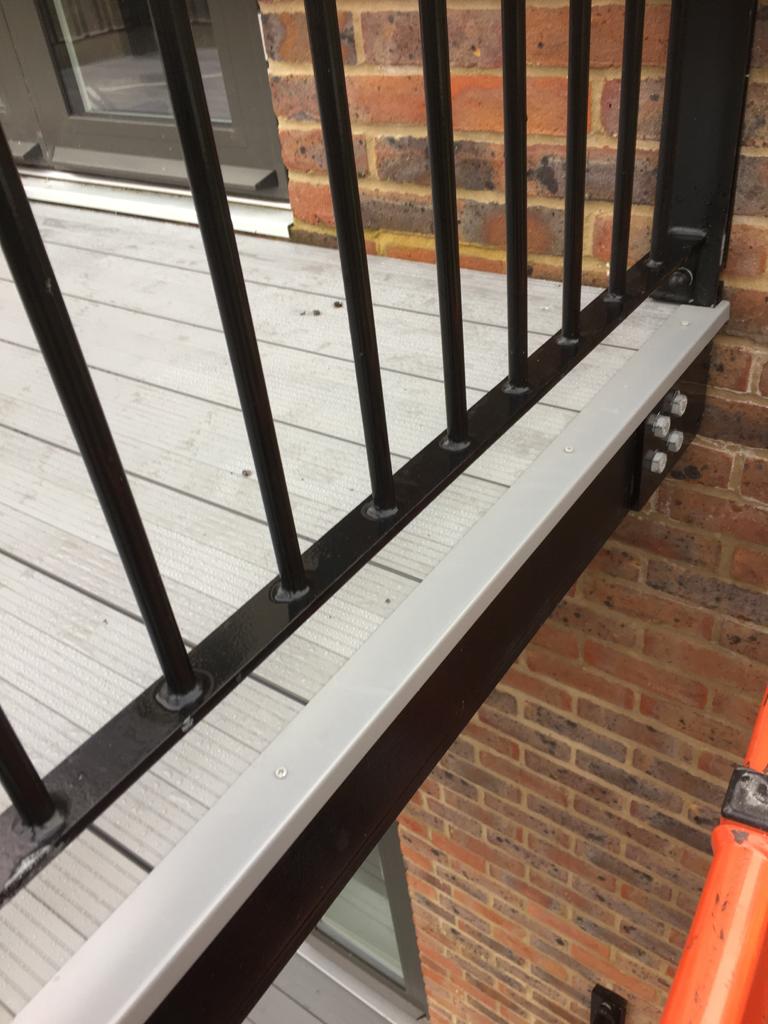
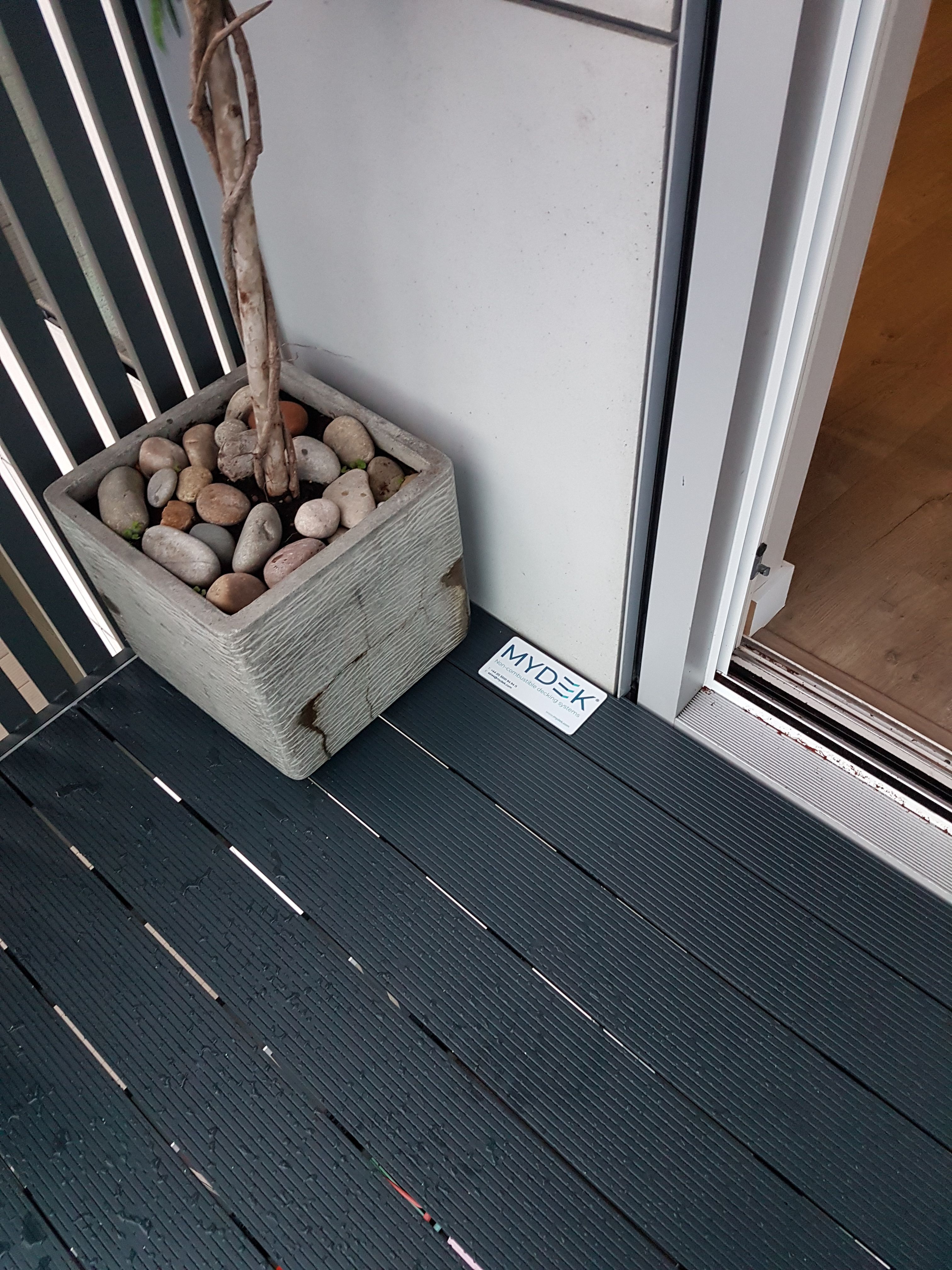
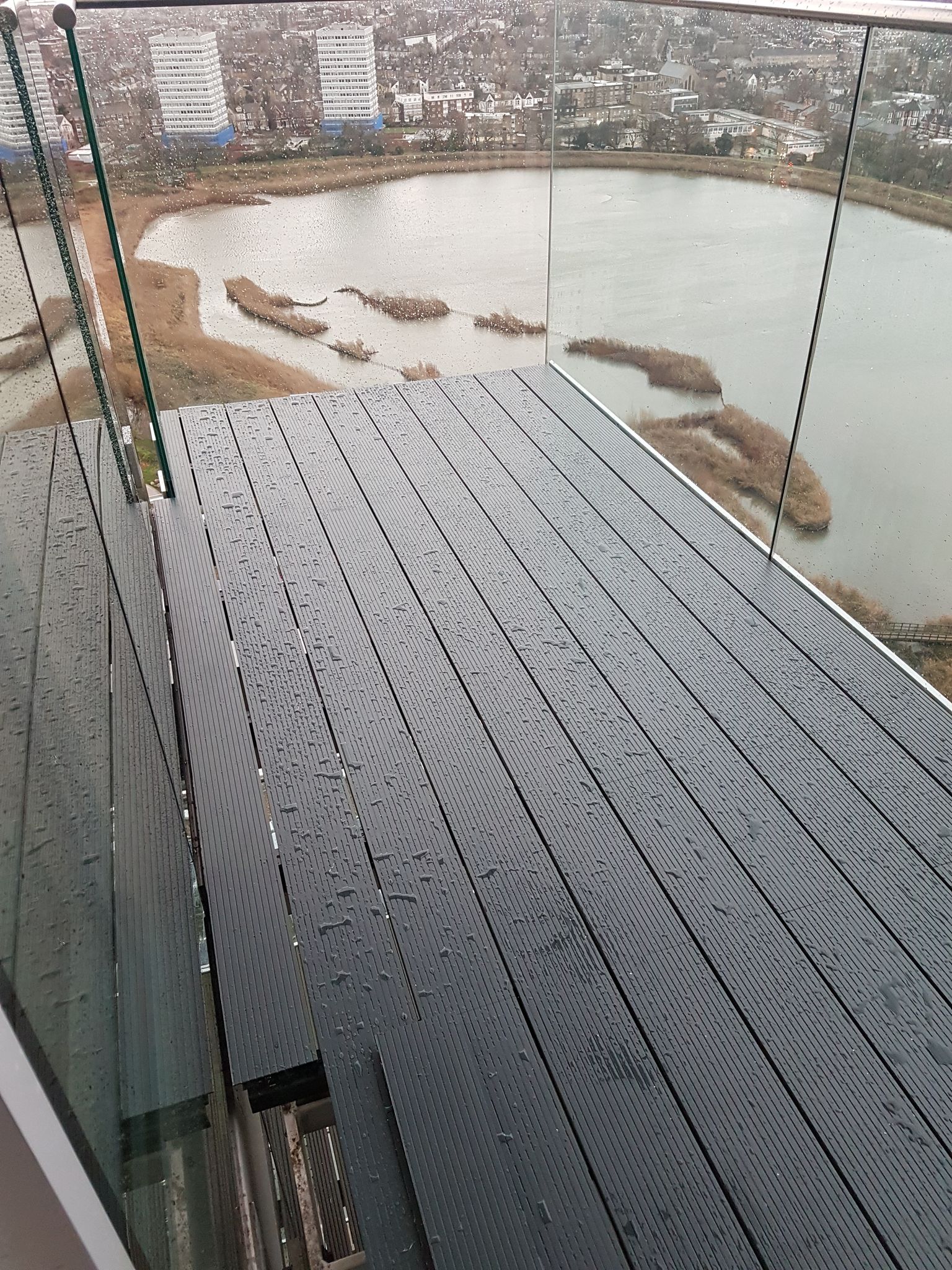
For balcony refurbishment, it is important to look at products and solutions to make the overall project easier to manage. The plan should focus on getting materials replaced and installed quickly.
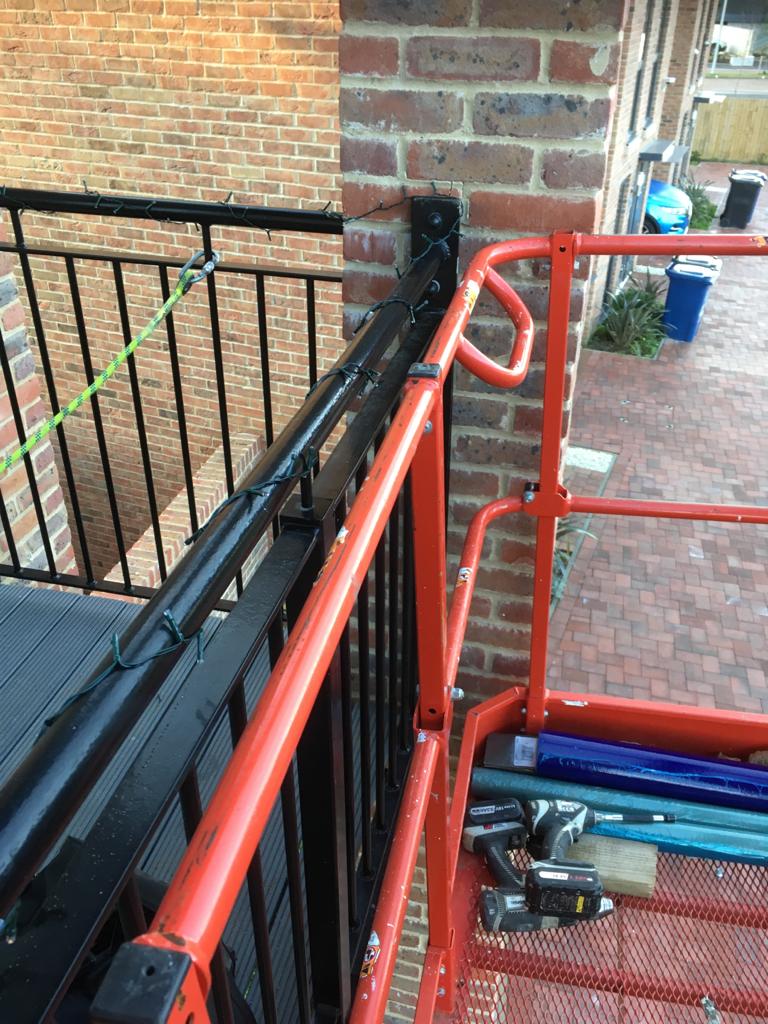
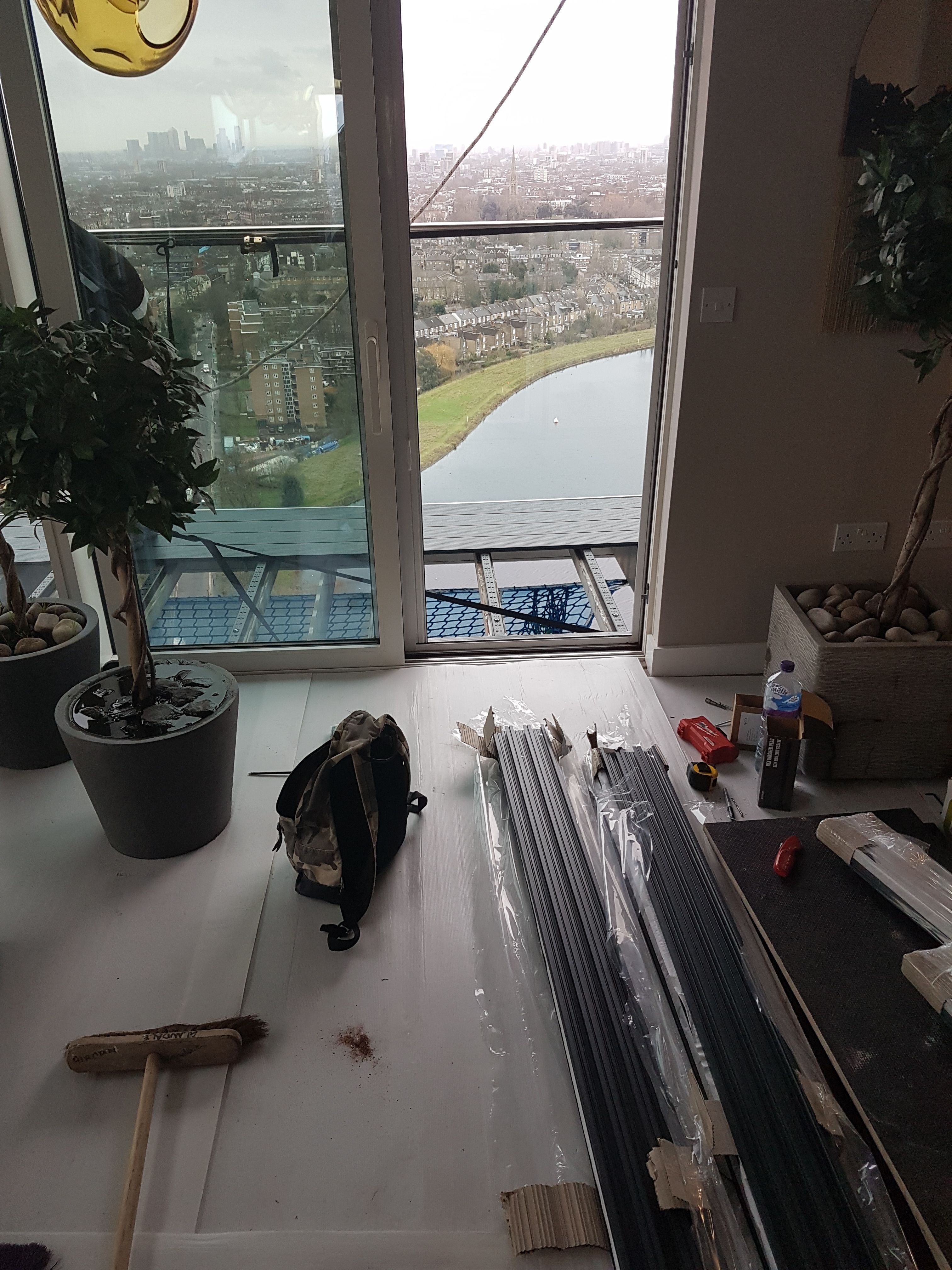
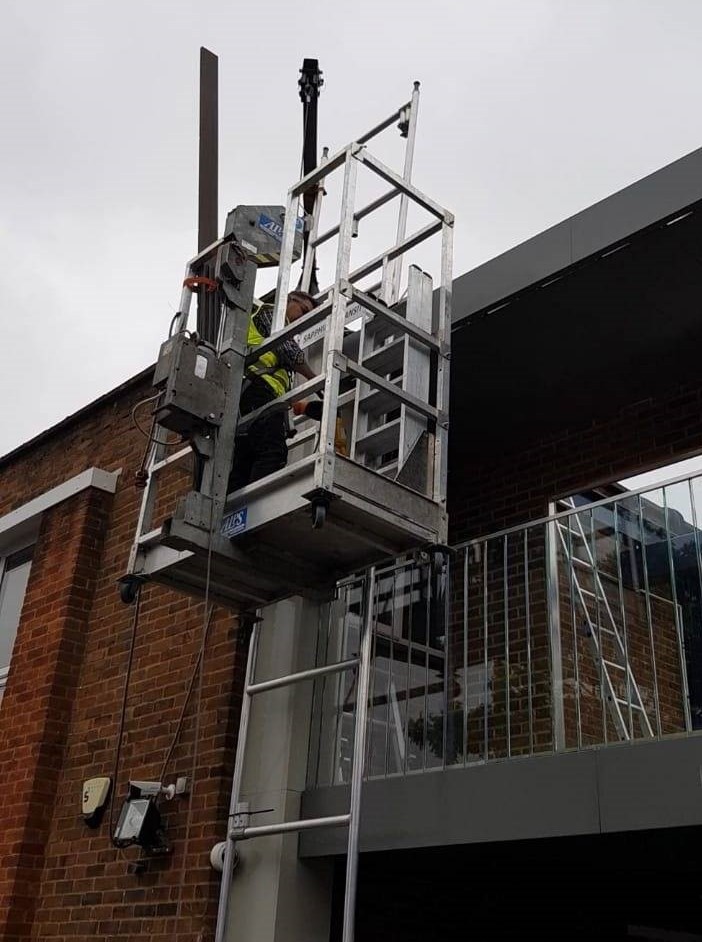
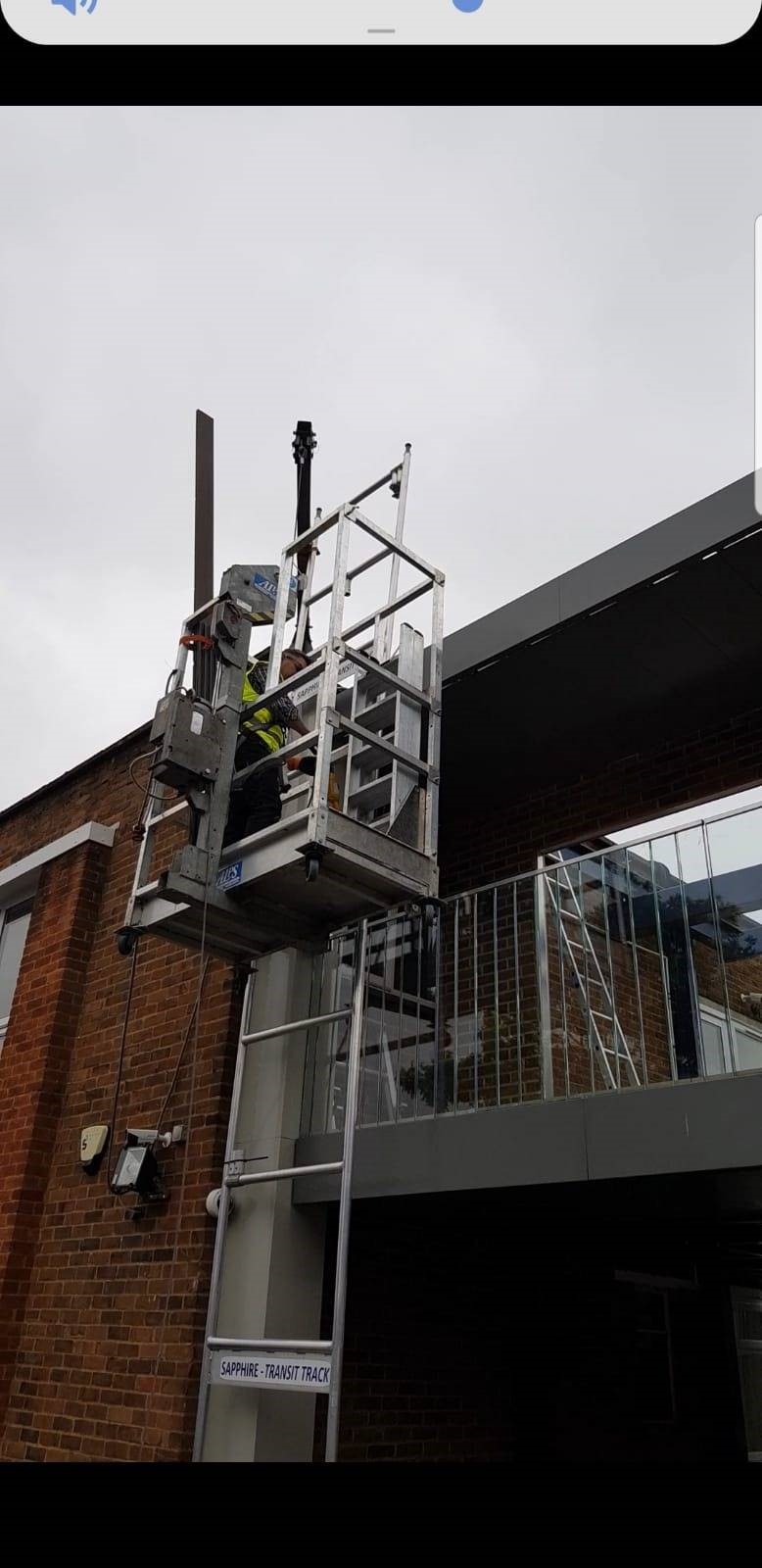
Access is the biggest obstacle to overcome but is greatly reduced if balconies can be accessed from the outside, as this avoids the disruption of needing access from the apartment. Not needing the resident at home, plus the reduced risk of damage to an apartment by avoiding bringing materials through someone’s home are both an advantage. Plus, there is less time involved too.
When residents and building owners are faced with a refurbishment, it’s important to remember it is a big disruptive job and that collaboration is key to:
1. Getting the right quality products. 2. Having a well-thought-out plan to minimise inconvenience. 3. Extending the planning time in order to reduce the time it takes to refurbish.
Safety over compliance
In the post-Grenfell era, it is crucial for designers and architects to move away from mere compliance with regulations. They need to see it as a social duty and responsibility to residents of their buildings to be as fire-safe as possible. It goes without saying that building refurbishment should be looked at from a safety perspective first and foremost, rather than a money-saving exercise.
“In the post-Grenfell era, it is crucial for designers and architects to move away from mere compliance with regulations.”
“The level of disruption involved in a refurbishment is often underestimated.”
“…minimal disruption is possible with a comprehensive plan in place.”
Supporting images