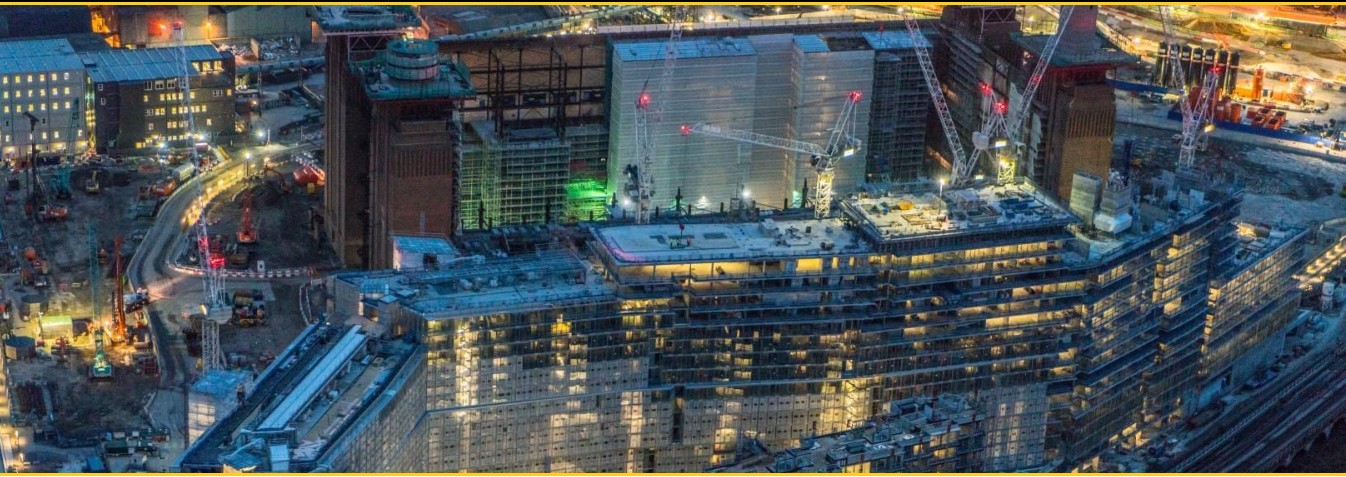

There are many methods to scaffold a building, but they all start with one premise: nothing is left to chance. Of course, safety for tradespeople using the scaffolding is key, but so too is everyone on site. Everything is done to avoid accidents, but it is possible to drop something and, as it drops, it can fall a lot further away from the building than you might imagine.
Planning ahead for safe scaffolding
The first thing to consider, as in most aspects of design and build, is early engagement. It is important to collaborate and plan at as early a stage as possible, so scaffold engineers can work with the design. That way they can see how best to work in the safest way within the scope of the building. Assessing the possibilities at design stage correctly and then reassessing throughout the build is crucial to make sure that the scaffold remains fit for purpose. With high-rise buildings especially, it is fundamental that it is scaffolded in the correct way and to regulation. This high level of safety saves on time and cost in the long term. Add to this the coordination with other trades who will use it and the site becomes the safest and most productive possible.
Increasingly over the last few years we’ve seen the outside envelope design become more complex and that affects the ability to erect scaffolding. In London especially, there are weird and wonderful shapes being made. The beauty of modern scaffold engineering is that it is relatively flexible, especially with new products being brought to
the market. A detailed consultation is needed to look at the different options, risks and issues. Chief among these considerations is the level of experience a scaffolder may have.
Key factors to consider when erecting scaffolding onsite
1. Attend early onsite meetings with the client to plan the scaffolding for everyone’s benefit. If there are multiple trades onsite, you don’t want to be striking above them.
2. Work the plotting of scaffolding around walkways, so they can be avoided or incorporated into the scaffold plan.
3. Plan to lower risk as much as possible. We don’t want to have anything happen, but you have to plan for it.
4. Factor in multi-trades working on the scaffolding. Meetings with all the trades throughout the build is useful, so they can say exactly what they need. The scaffolding can be erected with all of that in mind. This saves time and the cost of re-erecting the scaffold for each trade.
5. Scaffolding etiquette is important. If users return the scaffolding in the same condition as when it was erected this also saves time and money.
6. For any kind of health and safety, if you are unsure, don’t do it! Doublecheck plans and get expert advice. Maintaining safety is more important than going two days over your programme.
Intelligent, cost-effective solutions are important to architects and trades alike. Some buildings will end up being more expensive due to what is on the façade. It is, of course, quicker and cheaper to work in straight lines up and down a building but working closely with a scaffolding engineer is key for any design – whether elaborate or not.
It is also imperative that you are picking the right operatives for the job based on qualifications, ability and experience. That is why from my perspective it is important to get to know the operatives and assess everyone’s capabilities. I don’t see the benefit in setting anybody up to fail, asking someone to carry out a project that is outside their ability. Moving operatives through the ranks is an important part of scaffolding but has to be done correctly at a sensible pace. This is to ensure their mentor as such has the opportunity to pass over all their experience over time.
“Maintaining safety is more important than going two days over your programme.”
Supporting images