
The key drivers for implementing BIM are the efficiencies and cost savings it brings to design and construction. It also has the capability to encourage collaboration throughout the supply chain and ensures all relevant policies and regulations can be monitored and complied with. The need for BIM applications in construction has been accelerated by findings of the Hackitt Report and, in a post-Grenfell society, all contractors should be actively responding and changing their procedures to have a full understanding of what COBie data they require to ensure the safety of all buildings.
Implementing BIM successfully
Resource is paramount in the successful adoption of BIM. Having the right members of staff and the right investment in software and training means that digital implementation is managed successfully. This is true whether you are using your own or your client’s BIM strategy. Purchasing all these resources is a big investment, however – digital implementation is an expensive outlay and training doesn’t come cheap, but its success lies in all disciplines taking a proactive approach, being familiar with it and collaborating at the same level of understanding.
To counter any pushback you may have from detractors, slow implementation is necessary. The supply chain especially needs support and encouragement to see the benefits, so adding incentives can make it easier for them to join. Encouraging them in this way and then
“The benefits that can be reaped through the successful implementation of BIM are vast, and are still growing!”
guiding them through the BIM process allows them to see the efficiencies BIM creates and how it benefits all stakeholders.
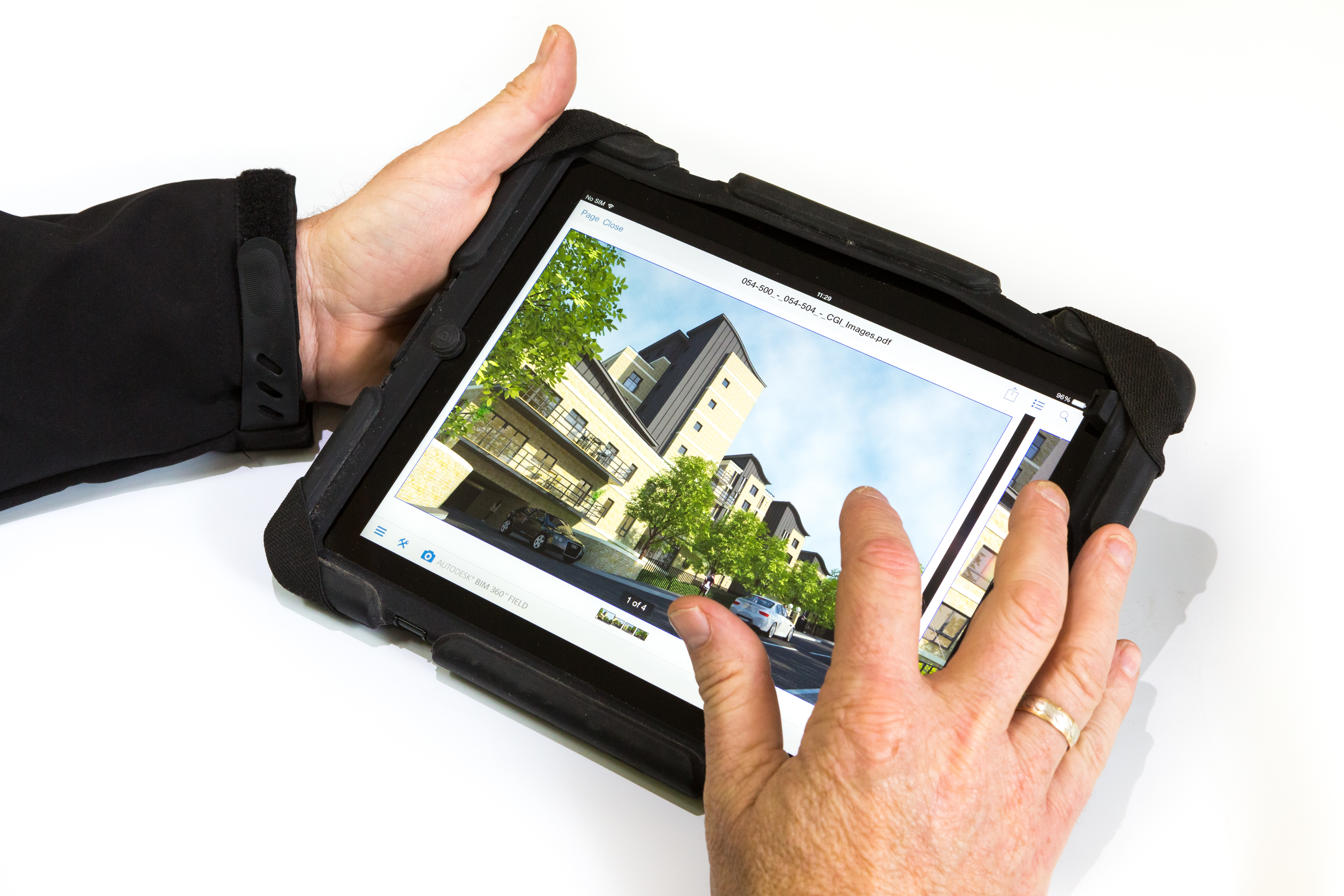
Some subcontractors may want to raise their fees because they assume they will need to take on a big investment themselves, but this is not necessarily the case. Clients may well have their own BIM that they can use and they may offer training so that they can collaborate. Many are encouraged simply by the fact that, with the use of a smartphone or tablet, information is at their fingertips, without having to wait for someone to wade through a pile of paperwork.
Benefits of BIM
The earlier supply chains can communicate with Designers and Architects, the easier it is to get the right products and iron out any problems. BIM allows simple-to-use communication, so everyone can interact through a common data set and comment and collaborate with all who are involved in the project. An offsite balcony supplier, for example, will be able to communicate with an Architect through BIM, to ensure upto-date information is shared and everyone is in agreement on what is required. If and when the designs change, it is all documented and everyone is informed.
This is hugely beneficial at the maintenance and occupation phase. As a designer or supplier, you can find out what data needs to be built into the model to be handed over at completion. Once the asset information has been set out, you can implement data drops regularly to ensure data has been validated throughout the project and is ready for the end users to implement in their own specific facilities management system.
The wider impact BIM can have
Using BIM throughout a project means that clear, concise and accurate information is available for everyone to understand and use. Whether you have a strategy or not, the difference one will make can be revolutionary. It makes for a more interactive experience for clients and end users alike. BIM also allows potential purchasers to view plots or developments through their mobile or tablet by using virtual and augmented reality software. It also makes international projects a lot easier. No longer does a client from China, for example, need to travel across the world to work with someone in this country. It can all be facilitated through BIM.
In the very near future, BIM will be used to offer end users a stake in the process too. They can be given access to all the information about their home upon moving in: when their boiler was last serviced to the specifications of a tap that needs replacing.
The possibilities for BIM are endless!
Supporting images