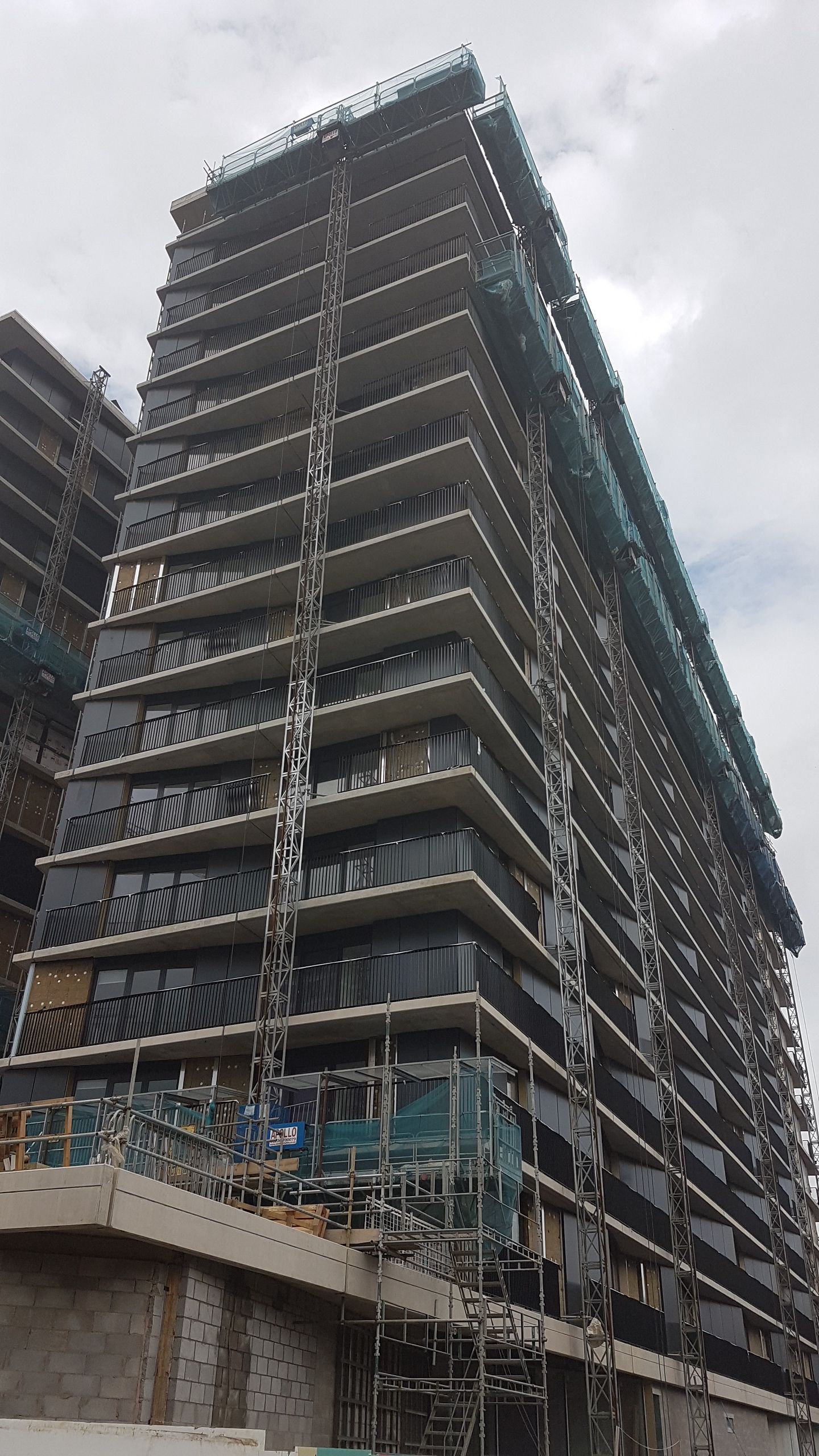

Since the Grenfell fire in 2017, the UK government amended the building regulations, banning the use of combustible materials on new high-rise homes. They also gave support to all local authorities to carry out emergency work to remove and replace unsafe cladding.
Under new government regulation, new developments are required to use materials that are A2-s1, d0 rated or class A1 under the European classification system for all external façade works, including balcony construction.
This means that all new materials in building cladding have to be made of non-combustible material (in Scotland) and low combustible material (in England and Wales). The government have since added advice notes to the building safety website. Although they are mostly targeted towards buildings of 18 metres or higher, some of the guidance may also apply to buildings below 18 metres.
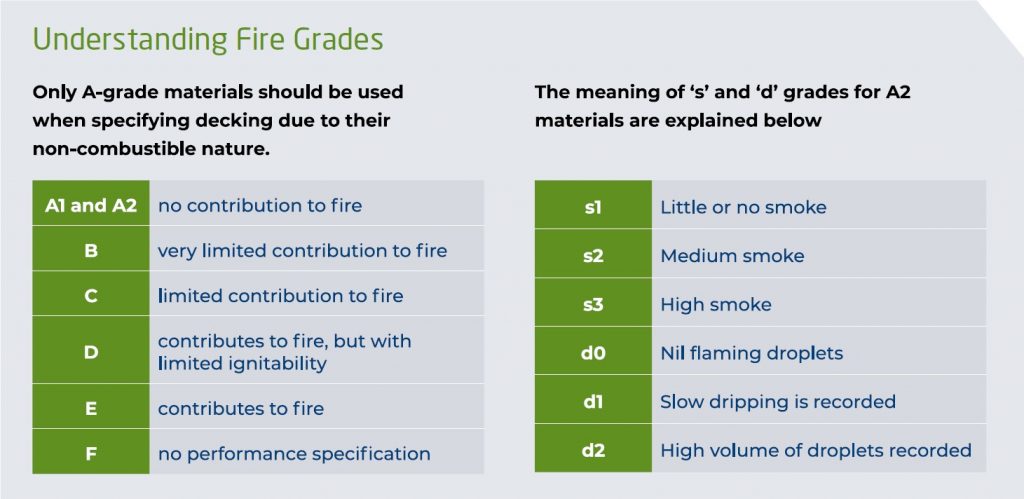
Understanding fire grades
The table opposite explains the combustible material class (A1 to F) and the grades which show the nature of the fire risk. New developments should only use class A1 or A2-s1, d0 materials.
MyDek’s Guide to Understanding Product Fire Grades
Only A-grade materials should be used when specifying decking due to their non-combustible nature.
The impact of the move to non-combustible materials
As a result of the ban of combustible materials, there are new consequences from a variety of perspectives.
Here are three ways the use of combustible materials in a residential building may impact your new development, regardless of the height of the building:
The impact on buyer mortgages
Mortgage lenders are increasingly refusing to lend on properties that make use of combustible materials within the buildings’ construction. This is especially true in the construction of high-rise buildings. If the vendor cannot confirm the property adequately meets the standards following on from the Building Amendment Regulations 2018, there have been instances of the surveyor valuing the property at £0 until the developer has been able to prove otherwise.
A1 and A2 s1
D
B s2
C s3
E
F
“…the use of non-combustible materials can have a positive impact on the cost of building insurance...”
no contribution to fire Little or no smoke
very limited contribution to fire Medium smoke
limited contribution to fire High smoke
contributes to fire, but with limited ignitability
contributes to fire
no performance specification
“As a result of the ban of combustible materials, there are new consequences [for new development]”
The meaning of ‘s’ and ‘d’ grades for A2 materials are explained below
d0
d1
d2
Nil flaming droplets
Slow dripping is recorded
High volume of droplets recorded
New home warranty
Warranty providers are also following the lead of mortgage providers and are not offering warranties on homes that are not compliant. This includes the NHBC 10-year new homes warranty.
Building insurance
In contrast to the negative impact of combustible materials, the use of non-combustible materials can have a positive impact on the cost of building insurance due to the lower associated risk.
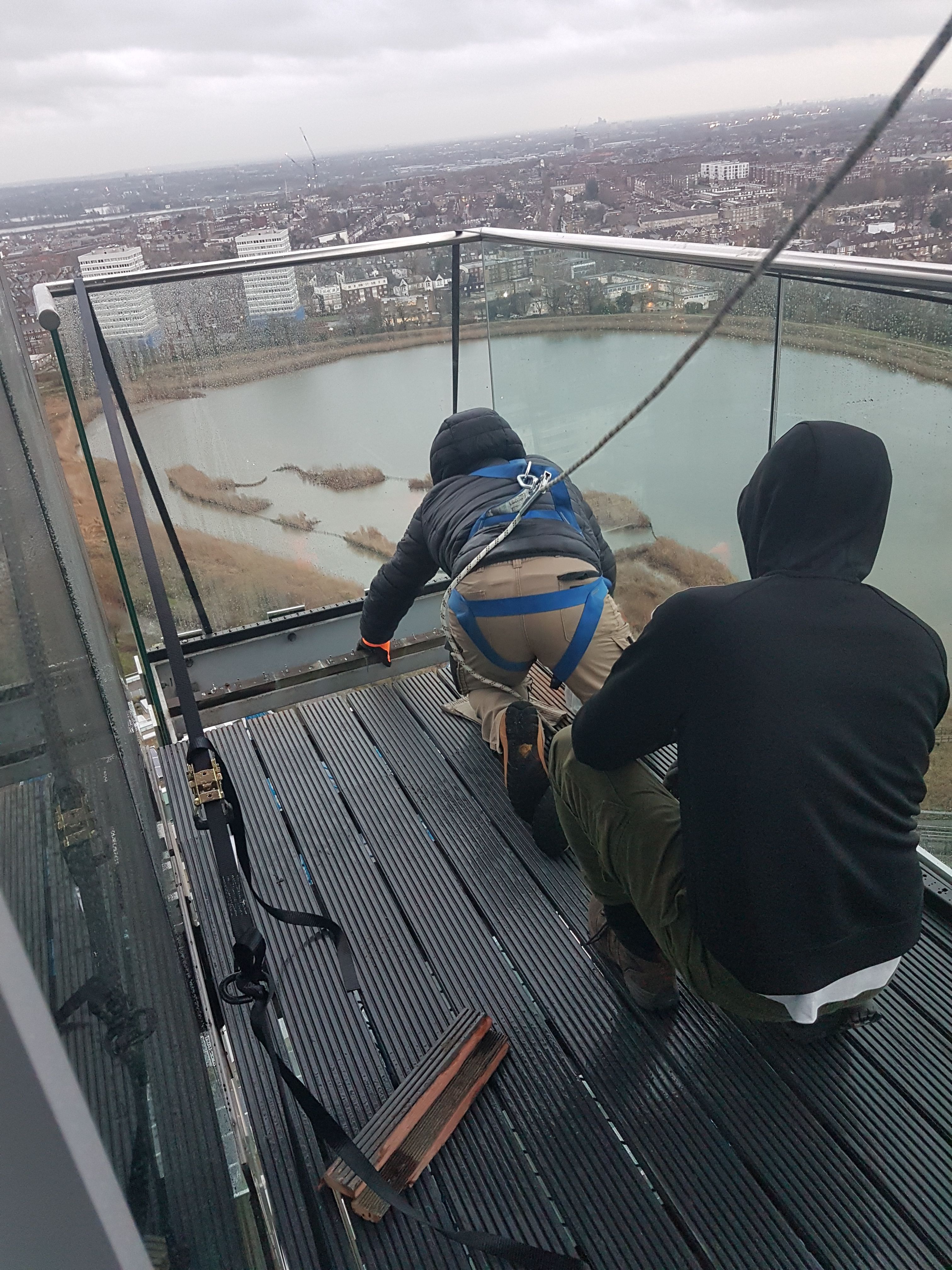
The use of non-combustible decking in balconies.
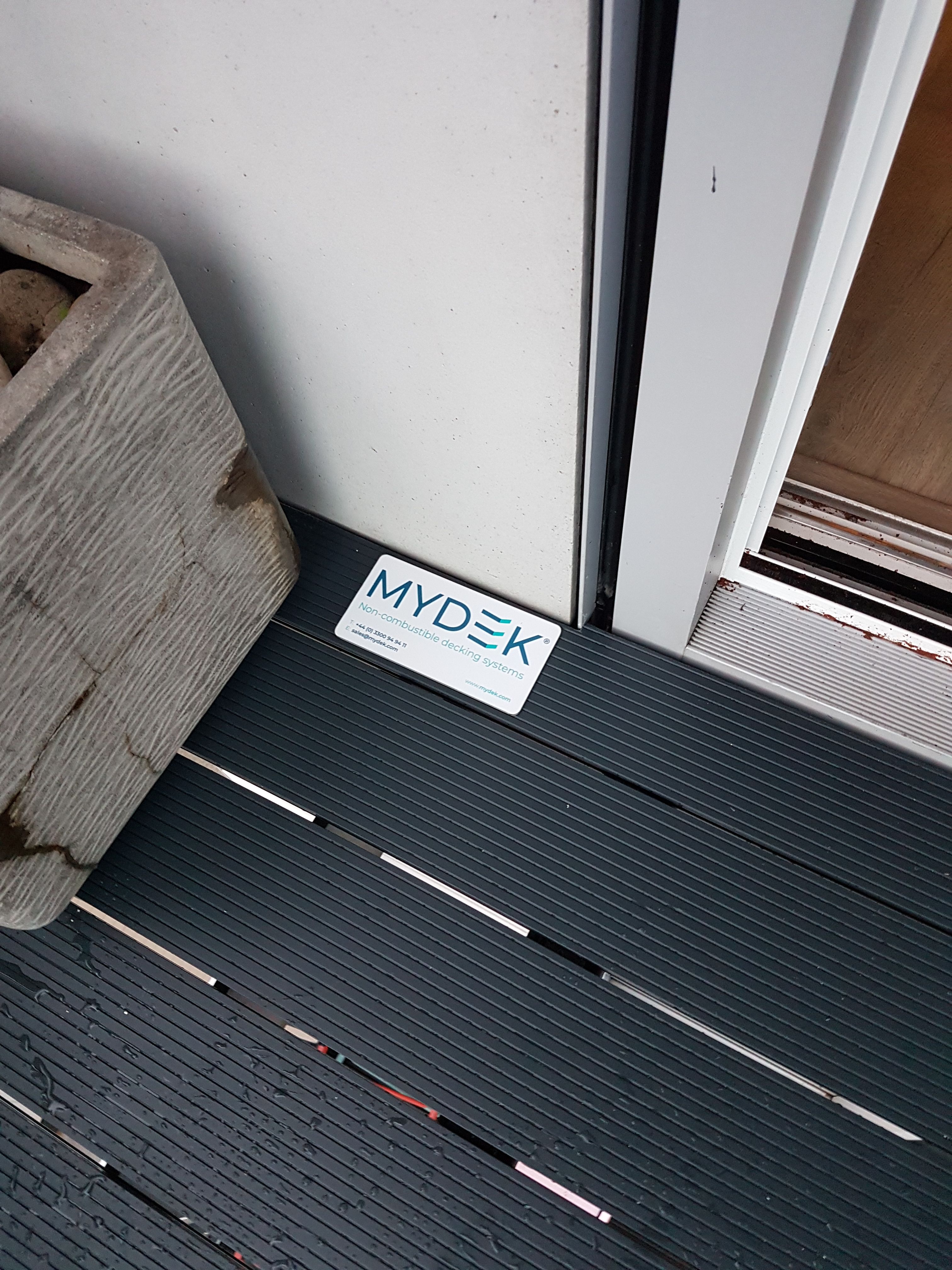
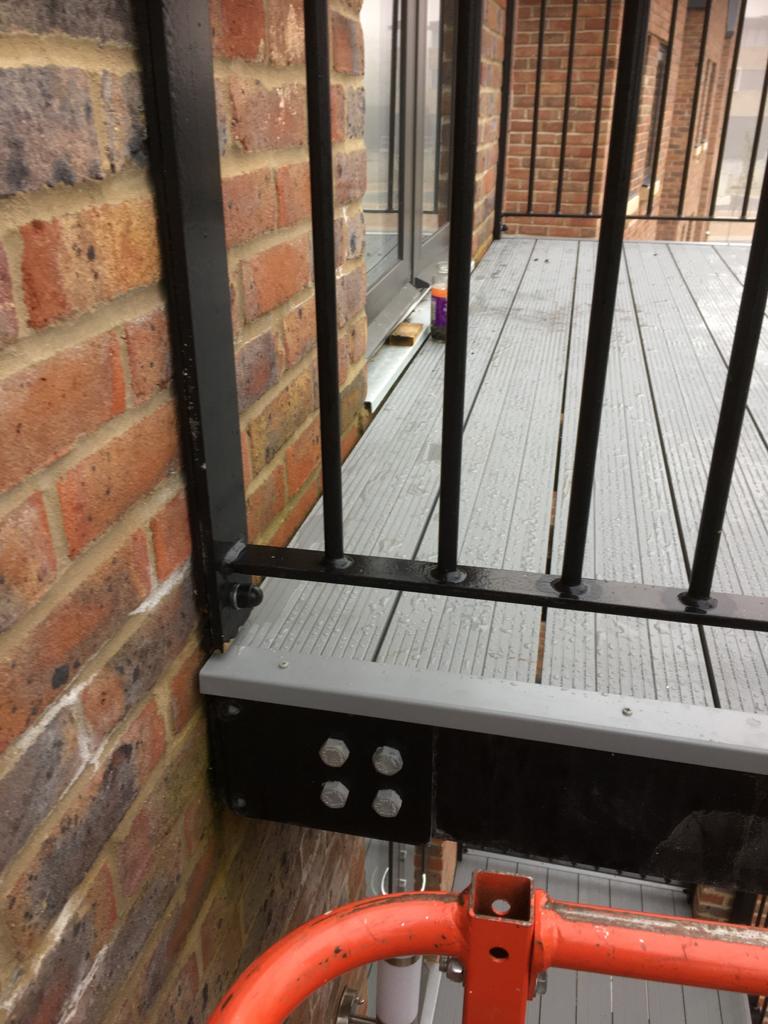
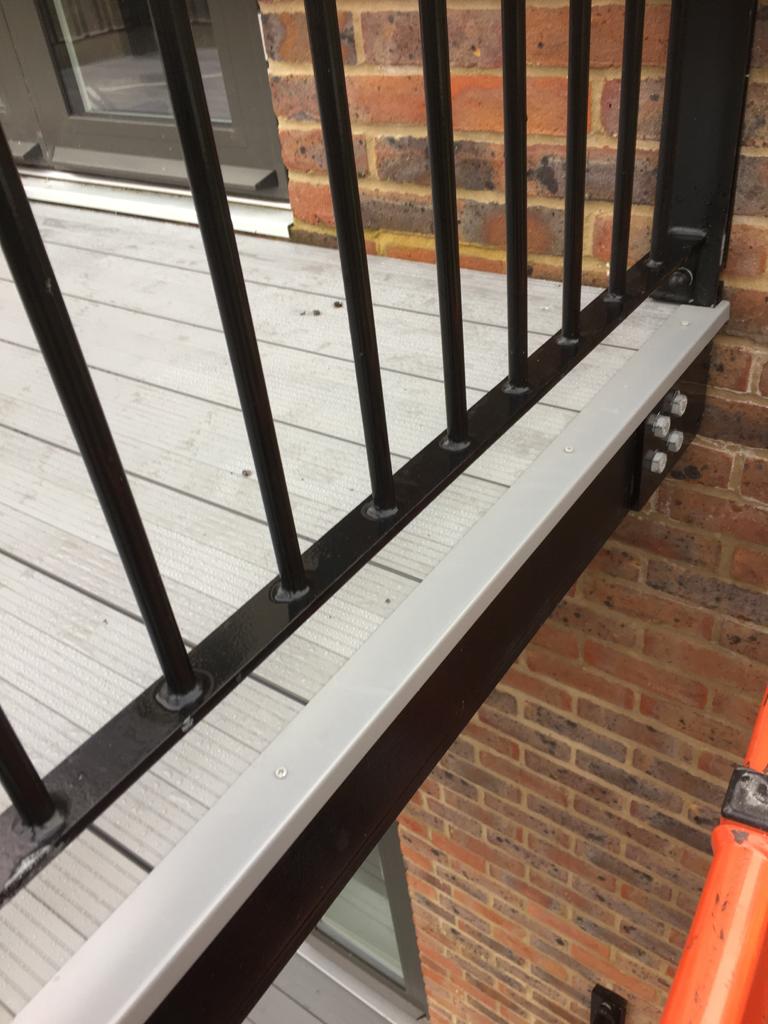
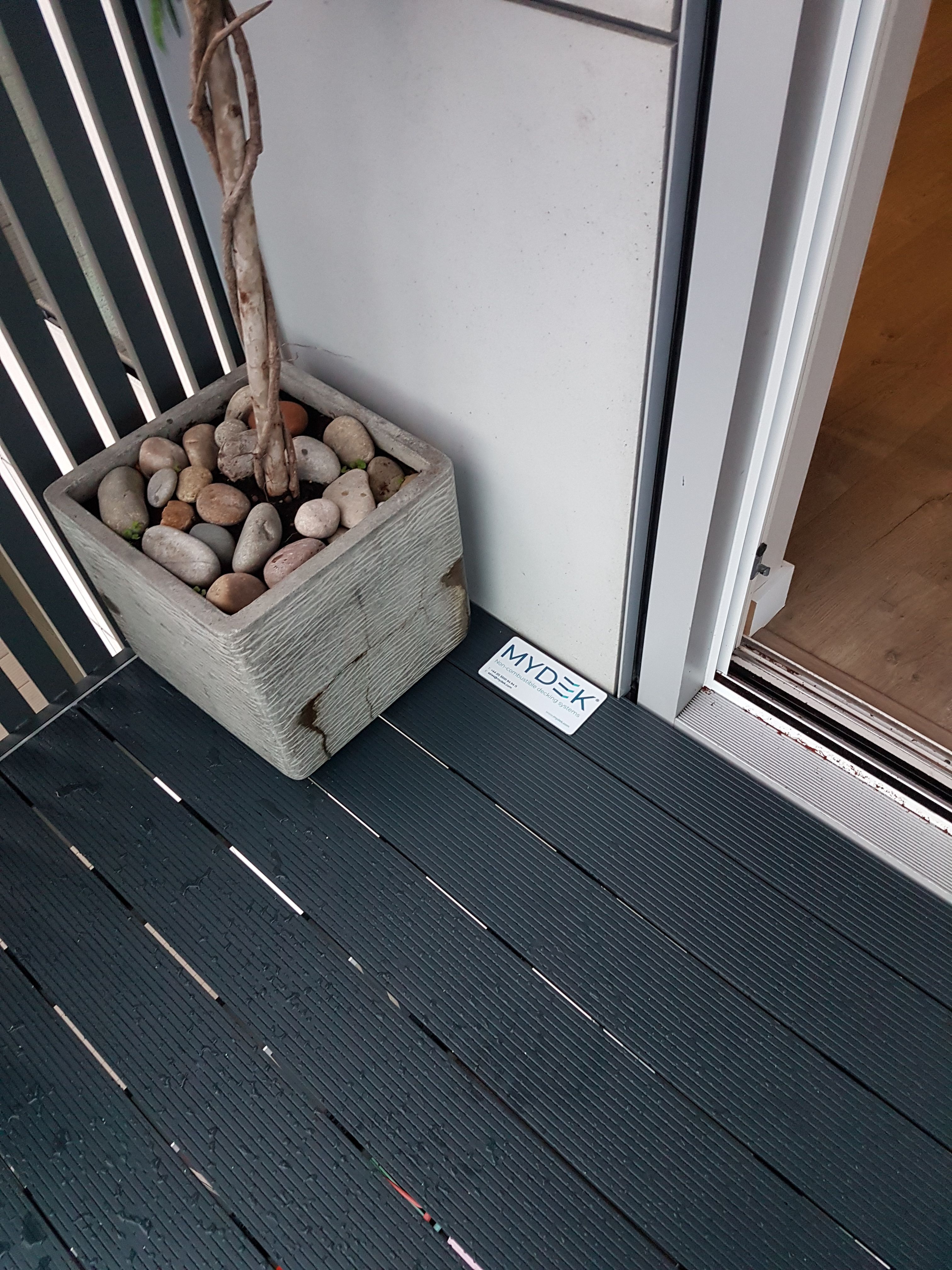
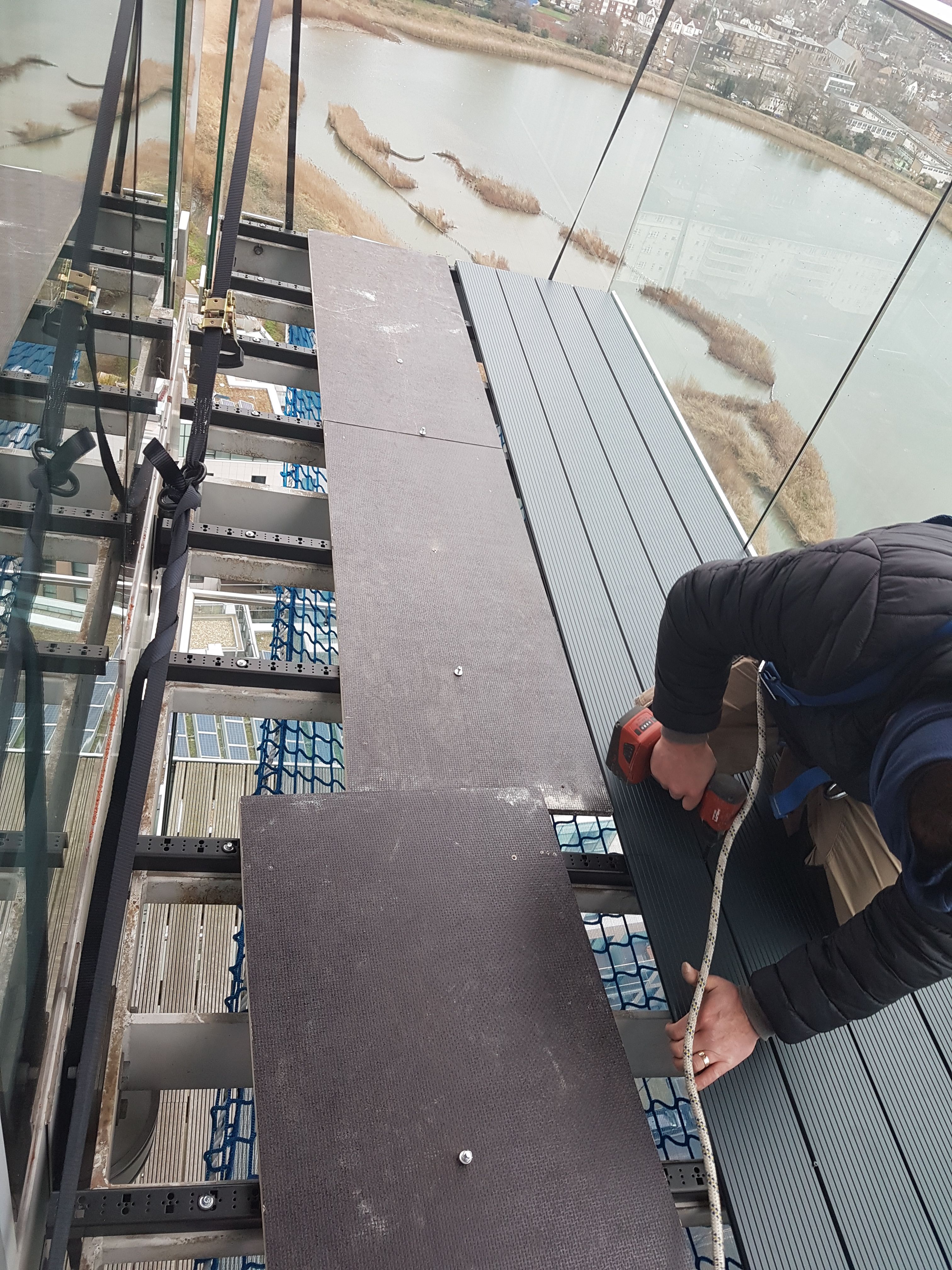
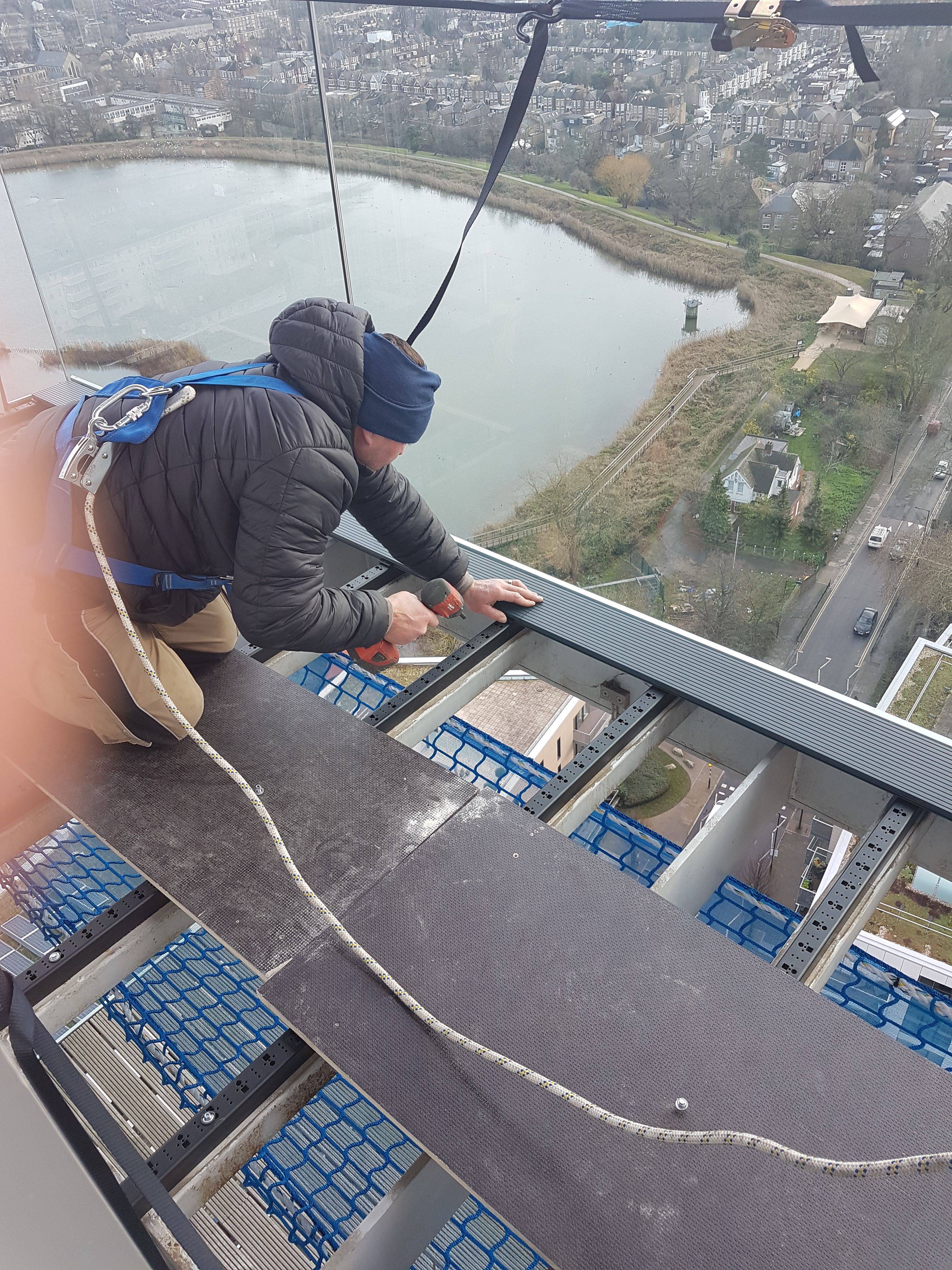
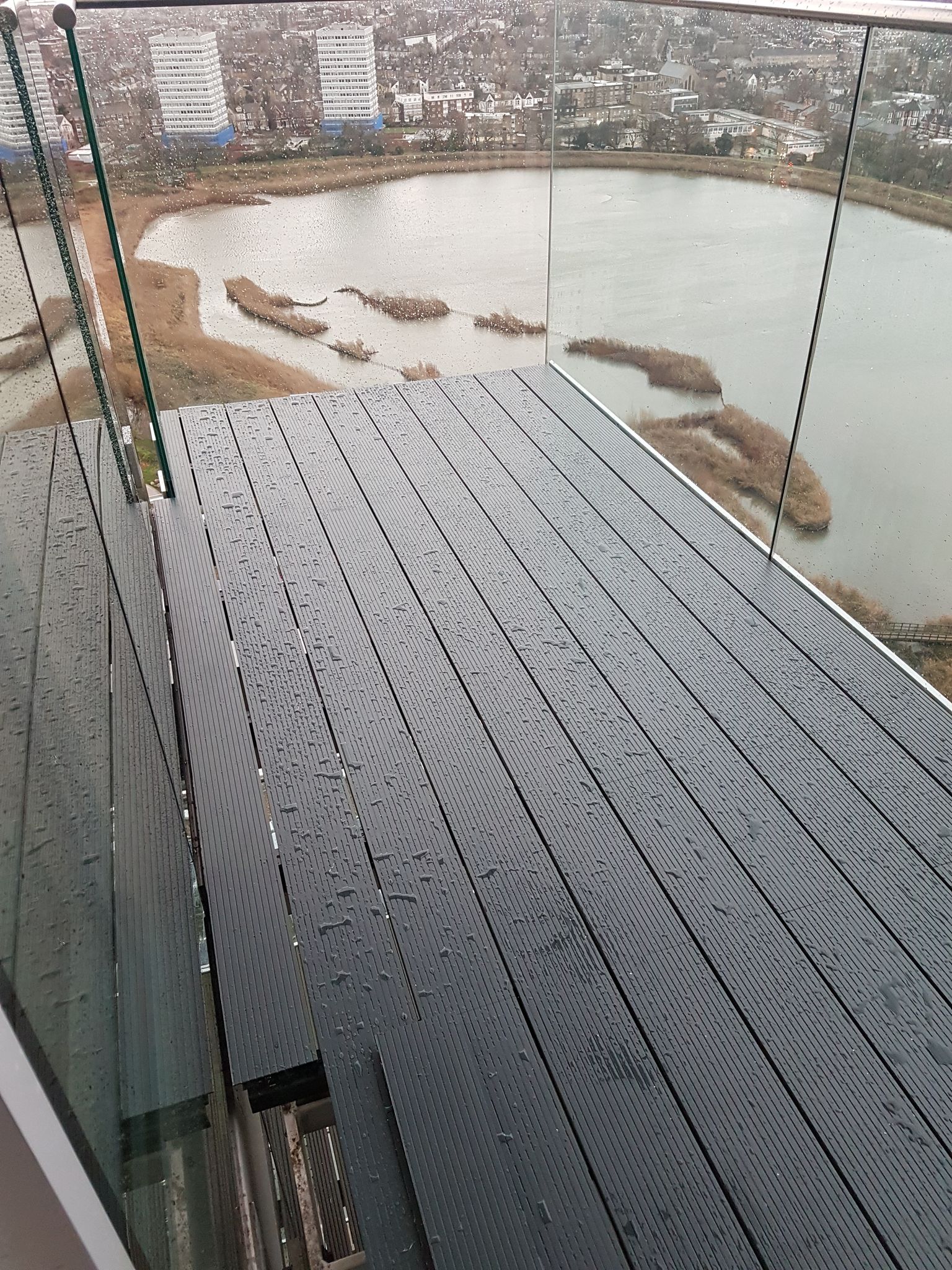
When it comes to balconies, the component which is most commonly thought of as a fire risk is the decking. There are a variety of materials that have traditionally been used, from treated woods to composites. Most of these are no longer compliant and therefore there has been a move to aluminium.
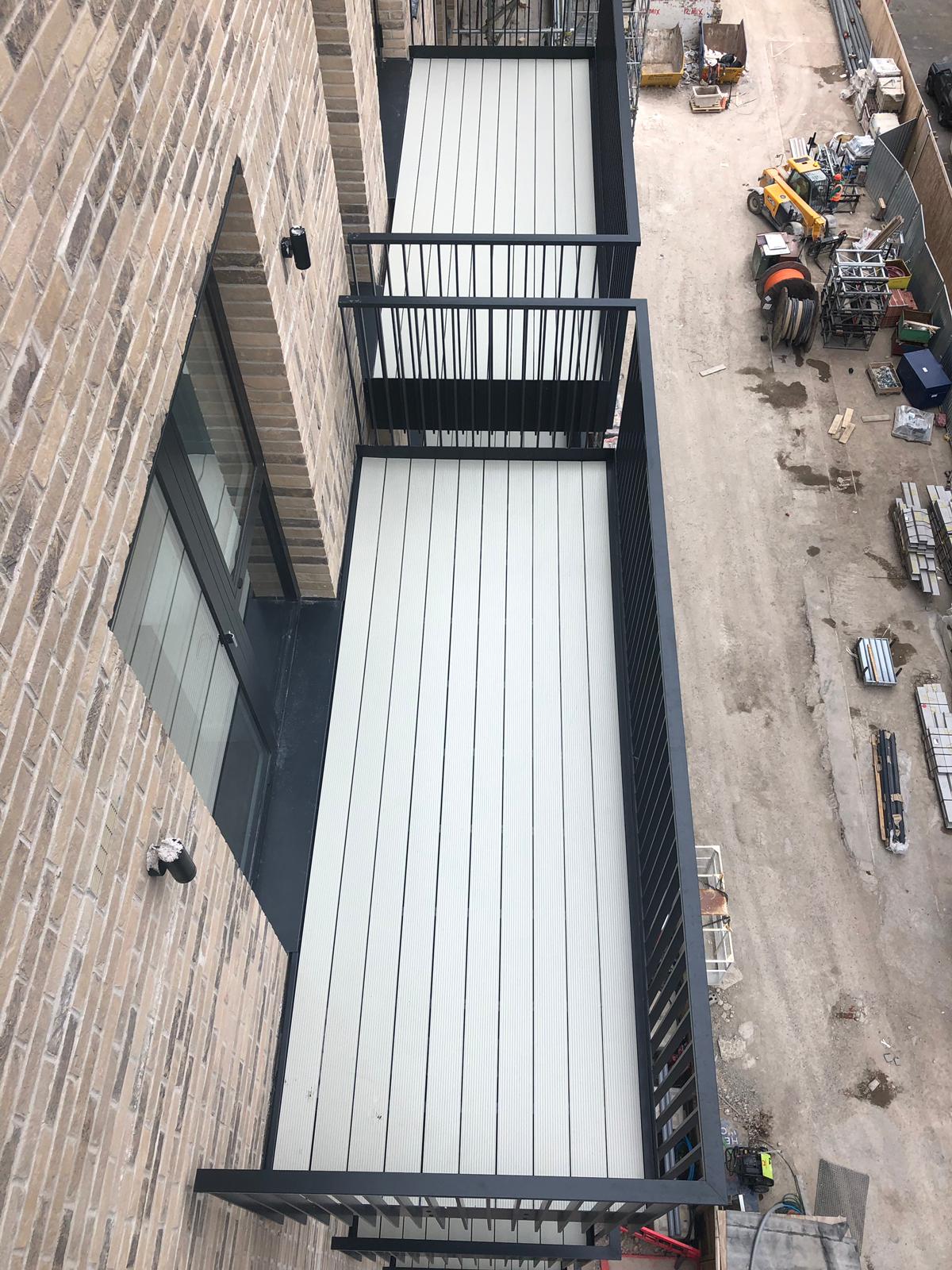
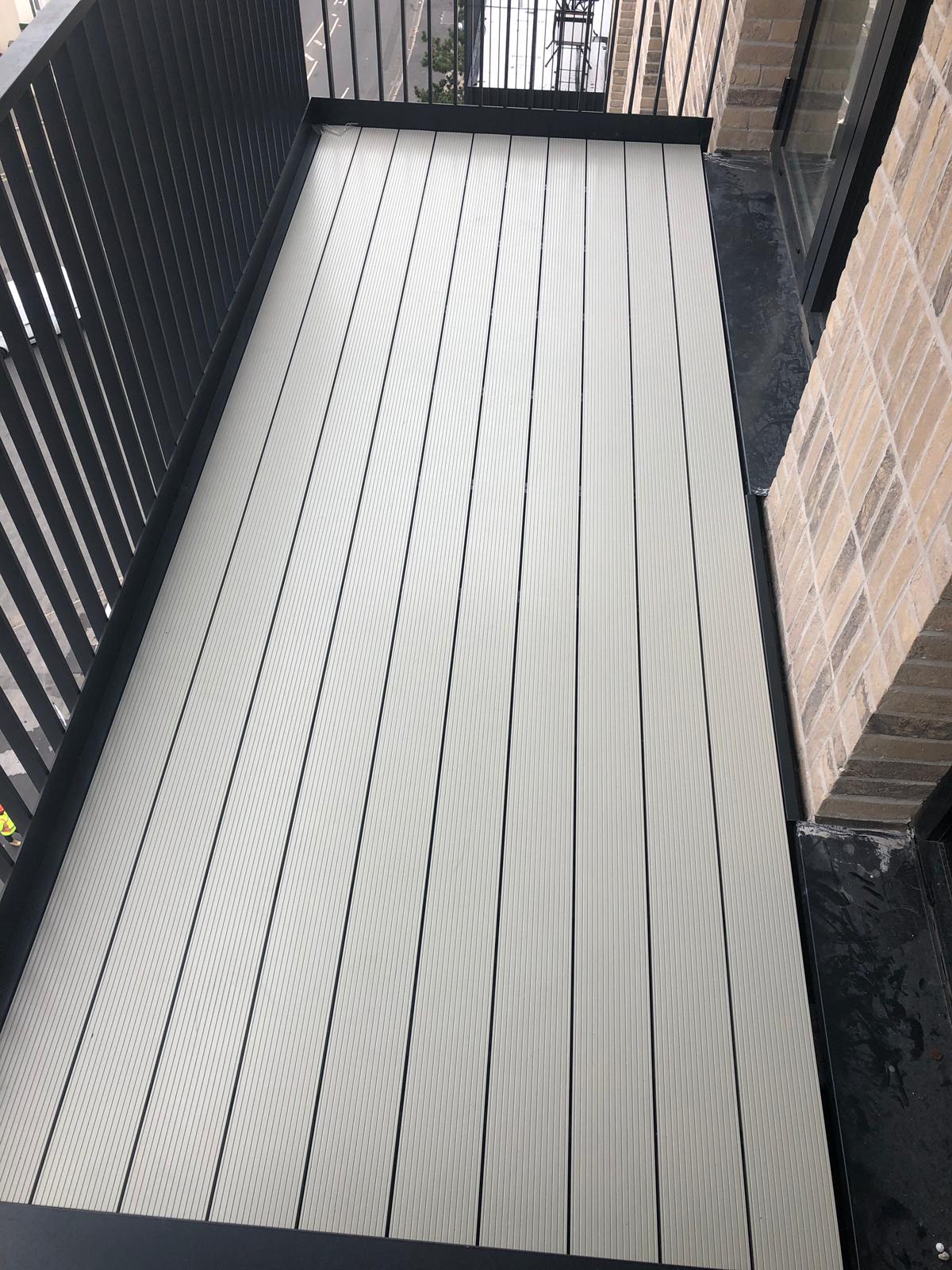
Aluminium decking boards come in a range of designs and colours and are attractive, long-lasting alternative to previously used materials. As well as being A2 - s1, d0 rated, they do not warp or twist like timber or wood-plastic composite can do and ensures they maintain their pristine appearance for many years.
As an alternative to the previous materials in use, it certainly ticks all the boxes.
“If the vendor cannot confirm the property adequately meets the standards … there have been instances of the surveyor valuing the property at £0 until the developer has been able to prove otherwise.”
Supporting images