
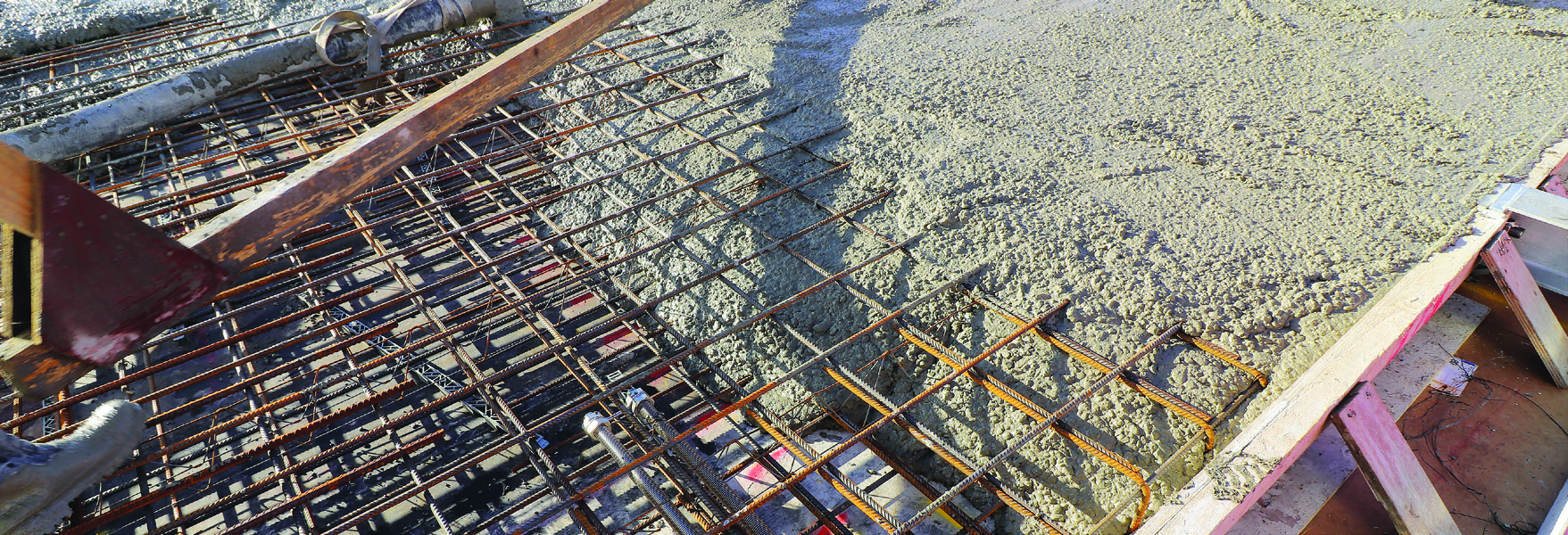
Reinforced concrete (RC) is one of the most widely used building materials in modern construction. Beams and columns make up the RC frames commonly used in low-, mid- and high-rise buildings. The relative ease at which these can be part-manufactured offsite is a major factor in their popularity, as well as their resistance to both gravity and lateral loads. The RC frame, however, doesn’t come without issues and pitfalls.
The challenges of concrete in tall buildings
One of the most common issues with RC frames is the junction between the building and an exterior addition to it – for example, a balcony. Because they are cantilevered, balconies can put a large load onto the frame of the building, particularly if they are concrete. Imagine that load times one or two hundred balconies on one building. If you then add downstands and upstands for concrete balconies to each, this creates an enormous load on the exterior of the building. Scaffolding for balconies can be complicated and thinner slabs make using concrete more difficult.
Reducing time and money through intelligent design
There is no doubt that it would be difficult to completely eradicate concrete from building construction. Foundations especially would be difficult
to lay without it. But in the light of environmental considerations, it is possible, through intelligent and early design, to use less of it and still have a strong, efficient building.
There are many elements to consider when designing and fitting balconies. Keeping the load off a balcony is about efficiency of design and the common practise now is for slimmer slabs. Downstands do not work on a slab that cannot take its load, however. Some systems don’t always allow enough for tolerance and this creates further problems when fitting onto an RC frame.
Other balcony alternatives
Overcoming all these issues is where lightweight balconies come into their own. First of all, offsite manufacture and quick installation of metal balconies mitigates the problem of complicated and inefficient scaffolding. An added benefit of this is that it reduces labour onsite, which in turn can reduce the time working with and around external and groundworks. This has been especially important with the labour shortage created by COVID-19 and Brexit.
Secondly, slotting some steel or aluminium balconies into place is easy and with anchor tolerance it is unbeatable. There is a good amount of tolerance available with metal balconies also, making installation even easier.
Thirdly, metal balconies are much lighter alternatives to concrete, reducing the load on the external envelope. This is especially true when you consider there could be two hundred installed.
Lastly, as an added bonus, lightweight metal balconies best address the new fire regulations that state they must be made of non-combustible materials.
The key consideration for RC frames is in the structure design. We should, of course, be working to the same codes of practice, but it’s also important to not overdesign. This can lead to heavier loadings and ultimately inefficient buildings.
“…metal balconies are much lighter alternatives, reducing the load on the external envelope.”