
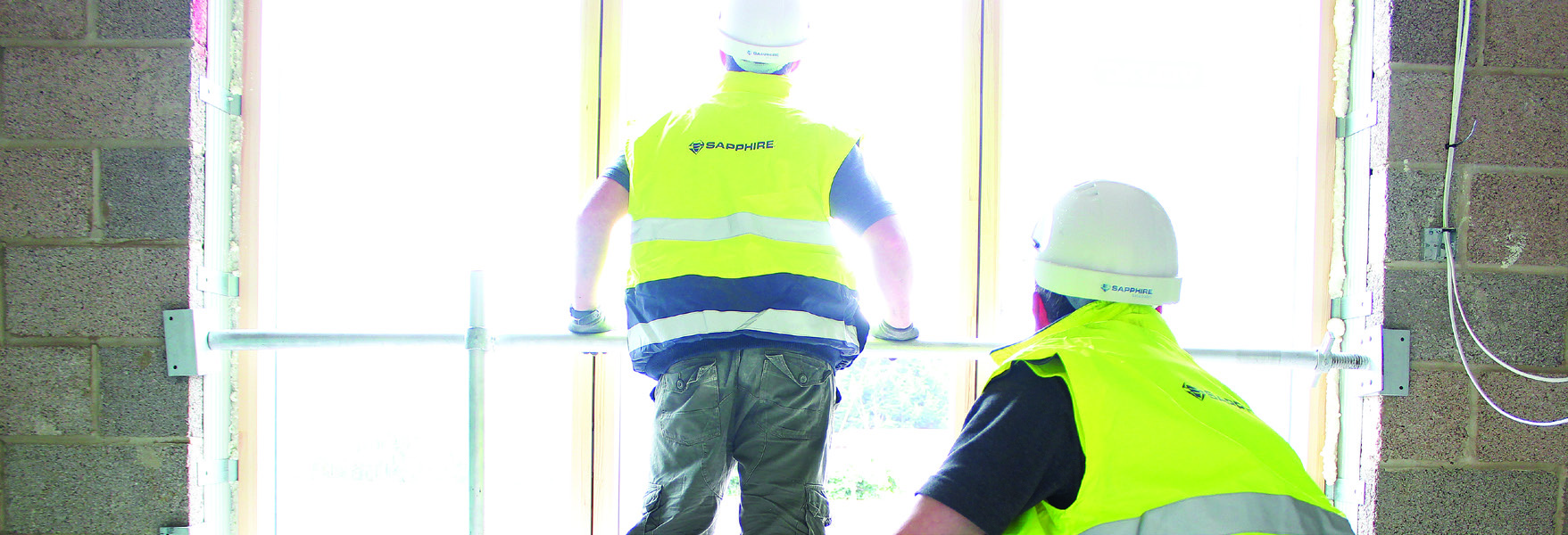

Construction Design and Management (CDM) Regulations apply to all types of construction, from new build through to demolition. They manage the health, safety and welfare of everyone involved throughout the project. They also ensure that the right people are involved in the planning and implementation of procedures at every stage of the process.
Key requirements of CDM
CDM is a framework for planning construction work so risks are managed from start to finish. All forms of construction should include collaboration, with the right information about risks and health and safety and welfare of the construction industry in everyone’s mind and this is where CDM comes in. Post-construction, it is also important for inspectors and Environmental Health Officers, for example, to know the principles of CDM.
For CDM requirements to be effective for all involved, a solid level of competence is necessary from everybody. This is what gives residents confidence that their home has been built to be safe, healthy and comfortable for them.
Interestingly, however, there is no common definition of what competence looks like so to build trust for residents, everyone involved in the construction project needs to demonstrate they are committed to safety from design to occupancy. You should be ready to prove competency by example and references from third parties.
Regulation 7 of the Building Regulations is the legislation constructors should use to build that trust with residents. It comes in two parts – material selection and workmanship - and provides guidance on approaching the project in a workmanlike manner which will inspire confidence.
CDM from start to finish
I believe CDM starts when a client gets an idea of a project with what I call an early-focus hazard statement. This sets out what the client needs to consider for maintaining and inspecting the finished building through regular monitoring and auditing right at the start of the project. The last line of defence shouldn’t be the only line of defence when it comes to quality and safety – inspection is crucial.
Certain risks need to be ring-fenced by designers at an early stage. So, if an attempt is made to change the design later on, there should be controls to alert that person that they are making changes to something that has a safety implication and what the ramifications will be. CDM for BIM will allow collaboration to drive safety. If constructors get it right the first time, good safety is going to save money.
Key takeaways for the industry
There is absolutely no harm in raising the bar when it comes to safety. The obligation to ensure safety shouldn’t be taken lightly by anyone. If constructors are serious about their commitment to safety, they can arrange to be audited throughout the construction process as part of the collaboration, so they get it right for end users. This will then prove their skills, knowledge and experience and demonstrate the competence which is so important to residents.
“There is absolutely no harm in raising the bar when it comes to safety.”
“If constructors get it right the first time, good safety is going to save money.”